
Learn the Duduk the Right Way
With a Clear Path and a Real Teacher
A guided system for building tone, technique, and musical expression, applied through repertoire.
by Canberk Ulaş
Learn
•
Play
•
Connect
•
Learn • Play • Connect •
Launching Autumn 2026!
The exact date will be announced publicly when it’s confirmed.
Join the waitlist to receive 50% off your first month when the Academy opens.
No payment required.
Full curriculum, enrollment details, and pricing will be revealed at launch.
Why Learning the Duduk Often Feels So Hard
At first, the duduk feels magical.
That sound is the reason you picked it up. You imagine long tones, slow melodies, and a deep connection with the instrument.
Then reality arrives.
You struggle to get a sound, or it comes out only with great effort.
The tone is weak, airy, or unpleasant.
Half holes don’t respond.
Intonation feels impossible.
Some days the reed works, some days it doesn’t, and you don’t know why.
You try harder. You use more air. More force.
But the duduk pushes back.
Slowly, frustration replaces curiosity.
You start wondering if something is wrong with you, your instrument, or the reed.
You search for videos, try random tips, and jump between explanations, but nothing really changes.
And many people stop here.
Not because they lack talent,
but because they were never shown how the duduk actually works.
The Duduk Is a System, Not a Mystery
The duduk is one of the most sensitive wind instruments in the world.
Small changes in embouchure, air, finger pressure, or reed position change everything.
If you don’t understand how these elements work together as one system,
you end up using effort instead of control.
That’s where most beginners get stuck.
A Clear Path, Step by Step
Global Duduk Academy is built to teach this foundation slowly and clearly:
Embouchure and air control
Finger position and half holes
Intonation and tuning
Understanding the reed and how to work with it
Playing songs with a stable, beautiful tone
Everything is taught step by step, with guided exercises, clear explanations, and personal feedback. So you always know what to practice and why.
When the Foundation Is Right, Everything Changes
With time and practice, the instrument begins to respond.
The sound becomes soft and stable.
Intonation improves.
Playing feels easier, more natural, and more musical than you expected.
The duduk stops fighting you,
and starts speaking with you.
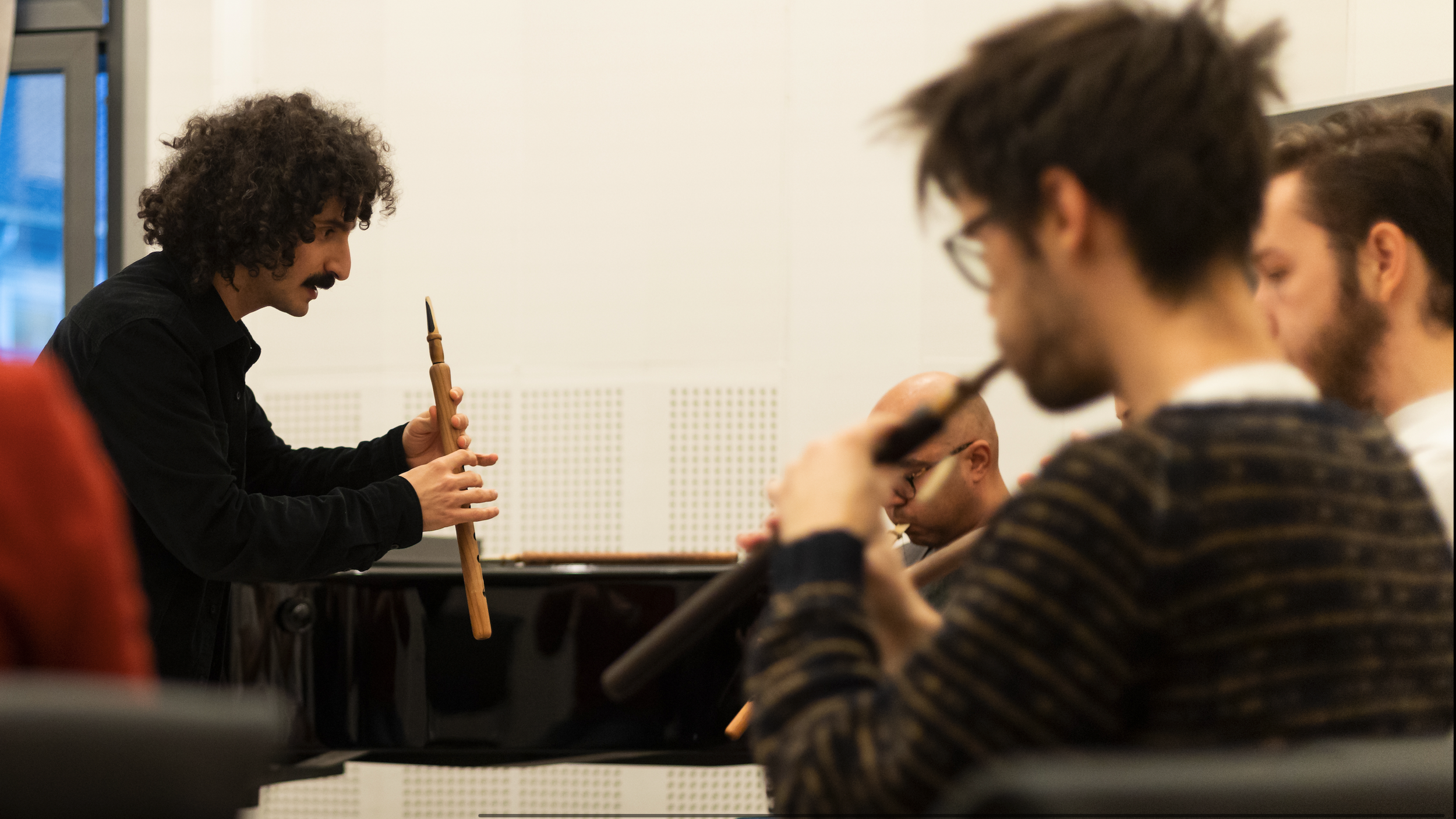
Video-based method
Live group sessions
Personal feedback
Community
Who is the Academy for?
This Academy is for you if:
You are new to the duduk and want to start the right way, without guessing or copying random videos.
You already play, but your tone feels unstable, airy, or inconsistent.
You struggle with half holes, intonation, or control, and don’t know how to fix them.
You want to understand how the instrument works, not just play songs.
You are looking for a clear path and a teacher who guides you step by step.
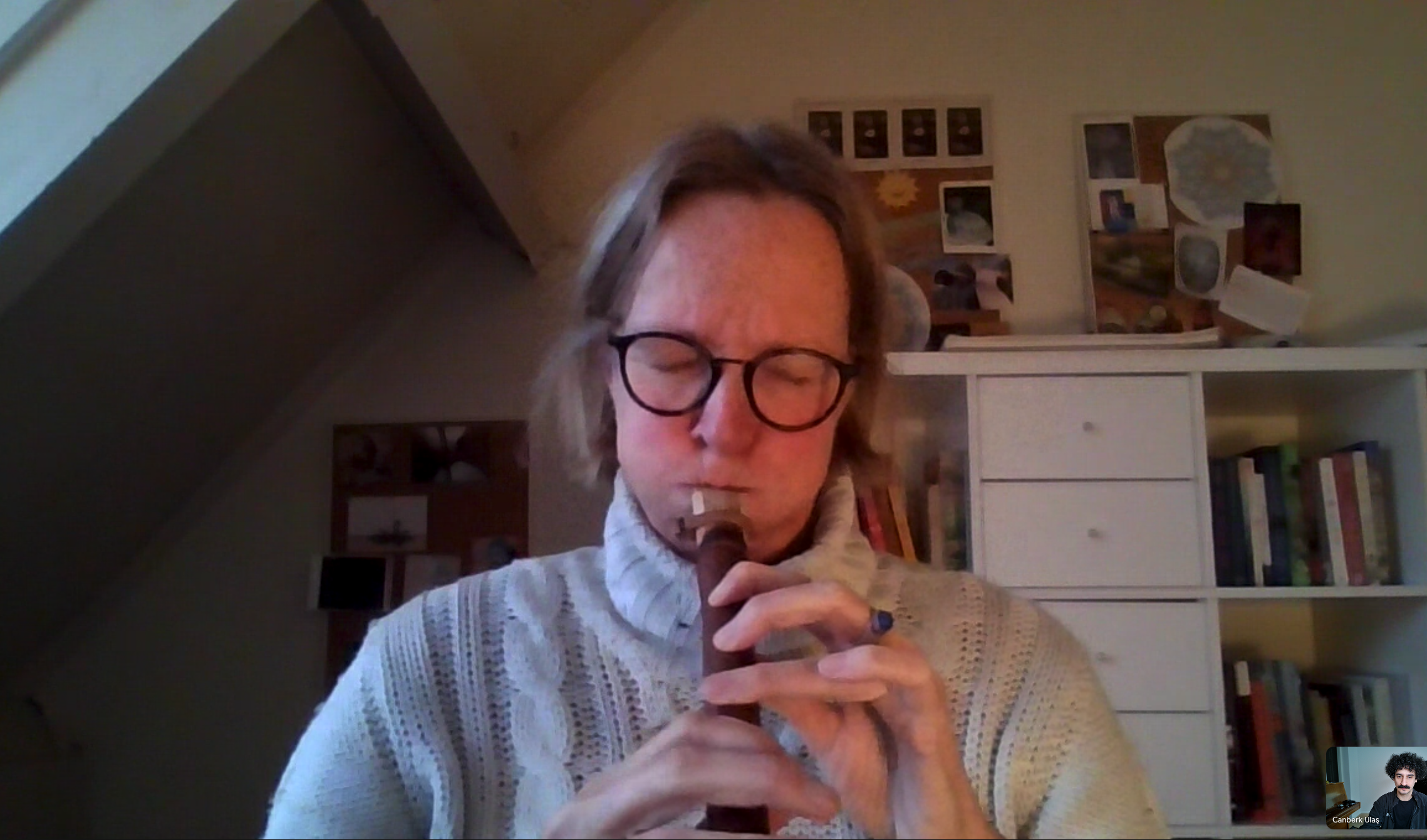
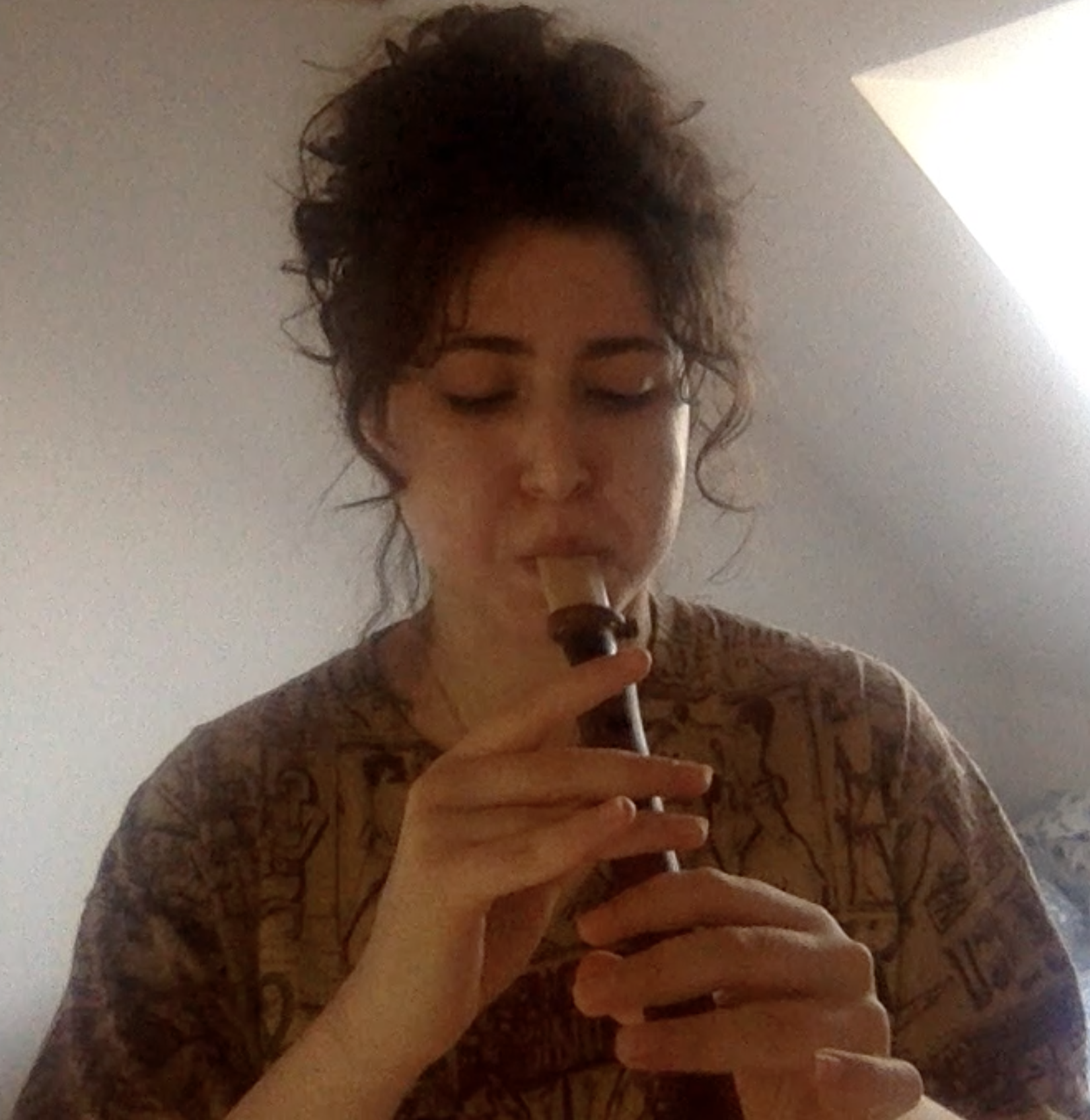
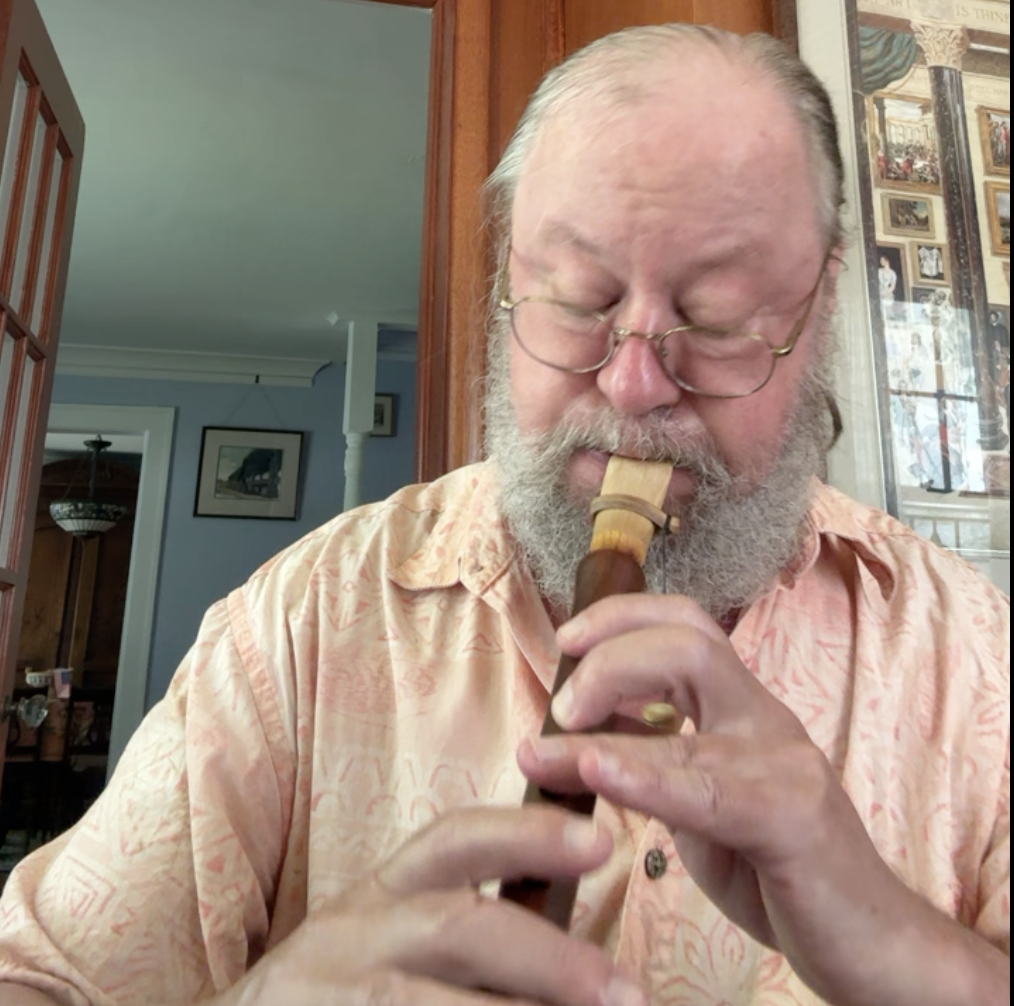
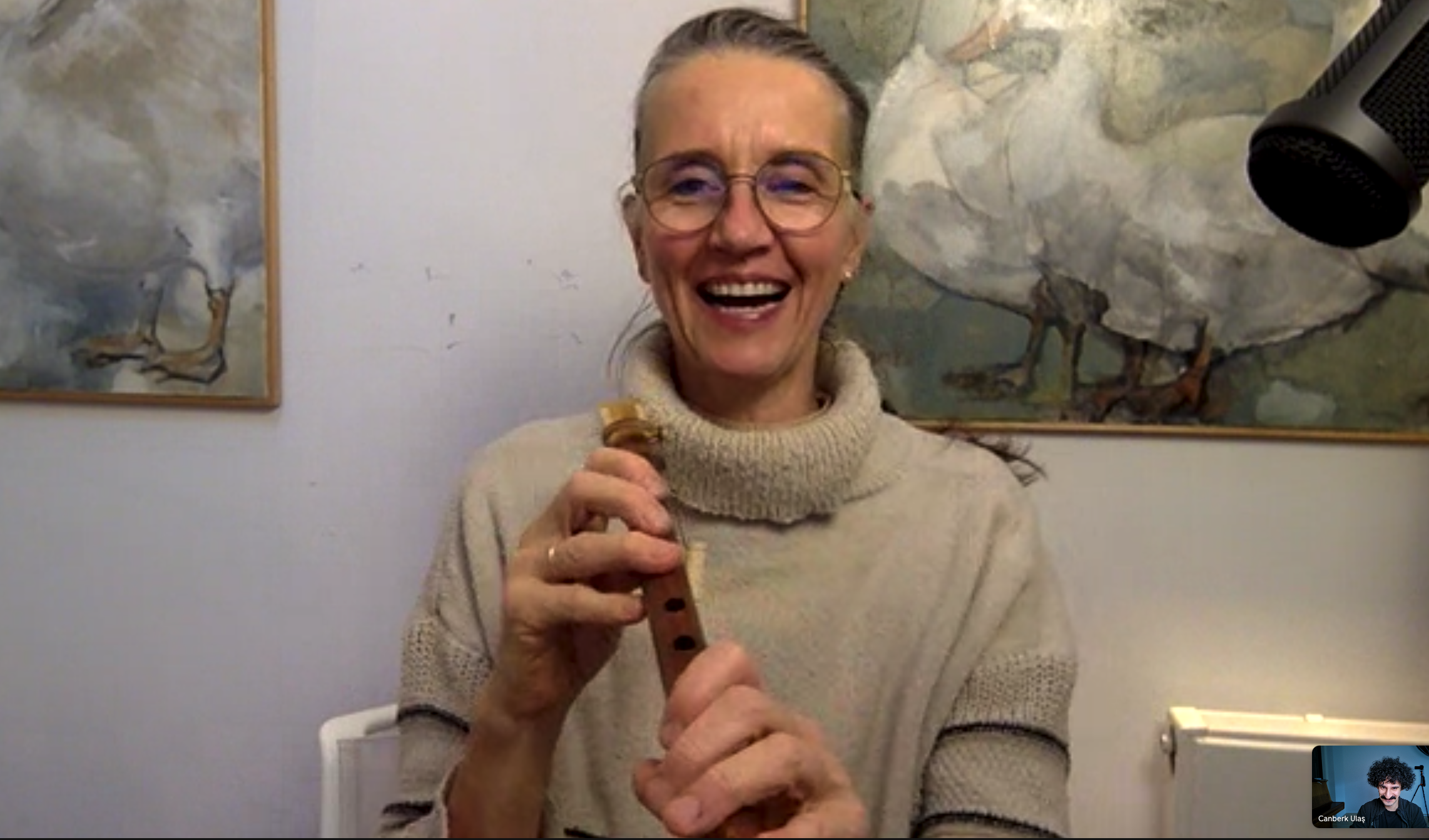
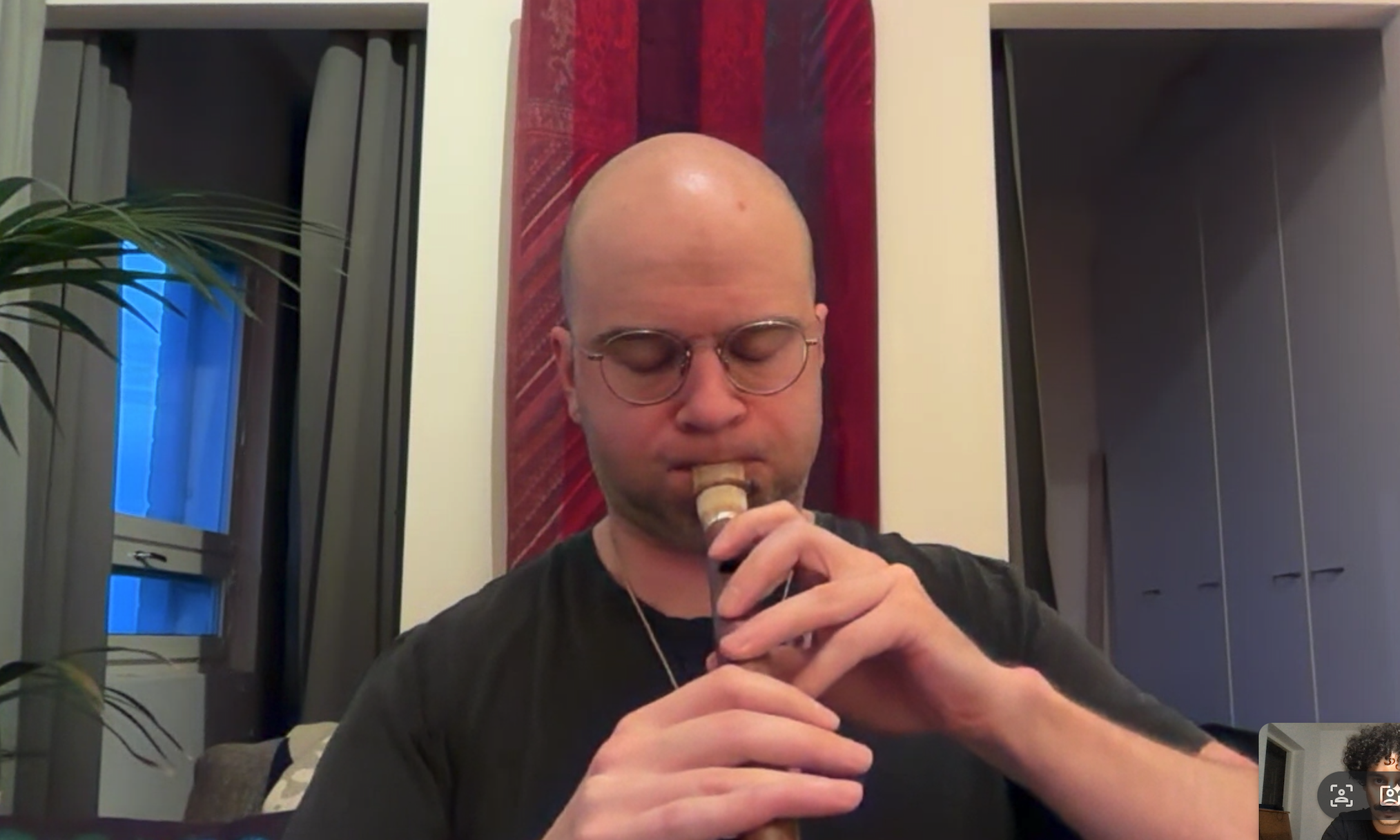

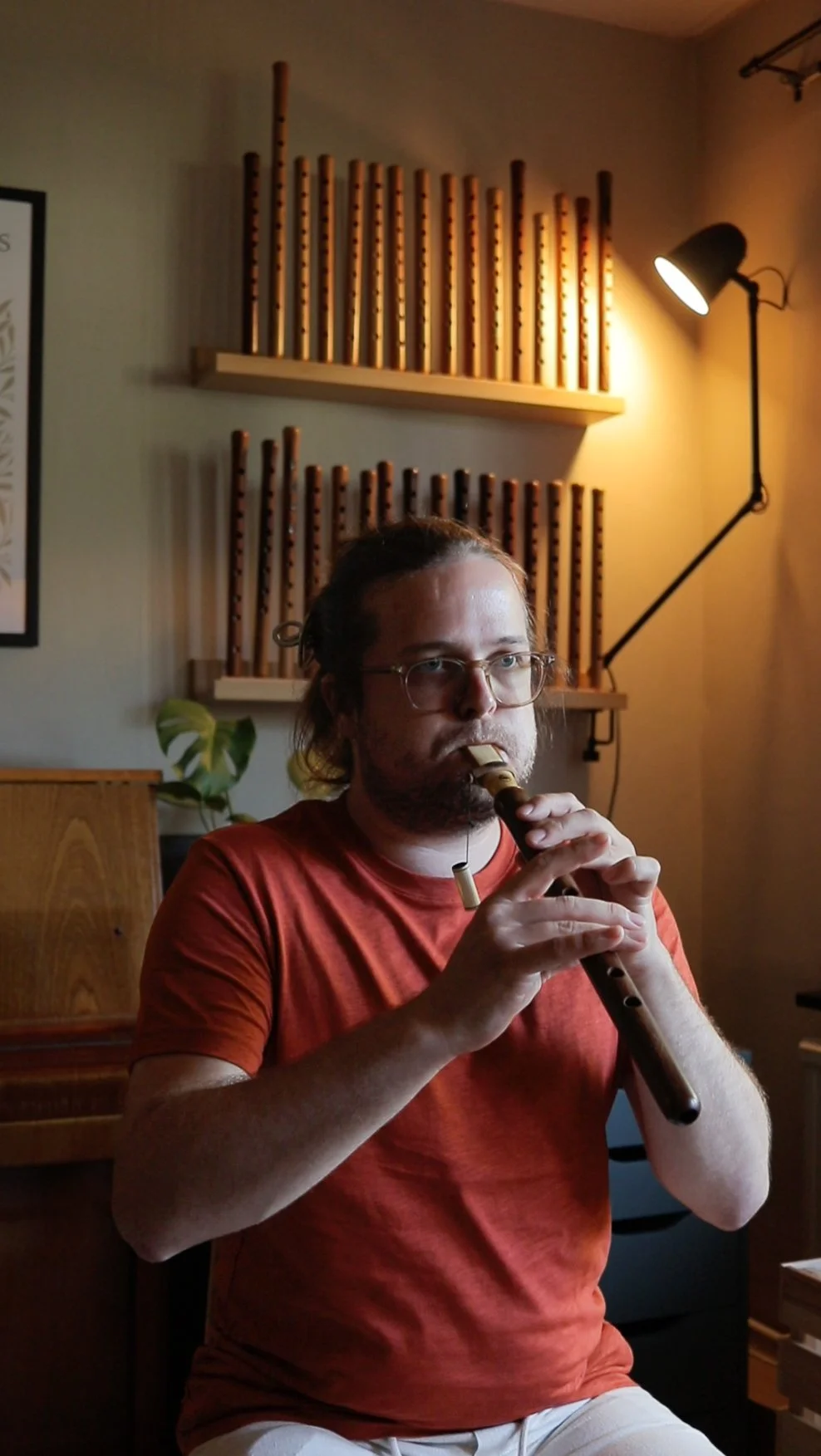
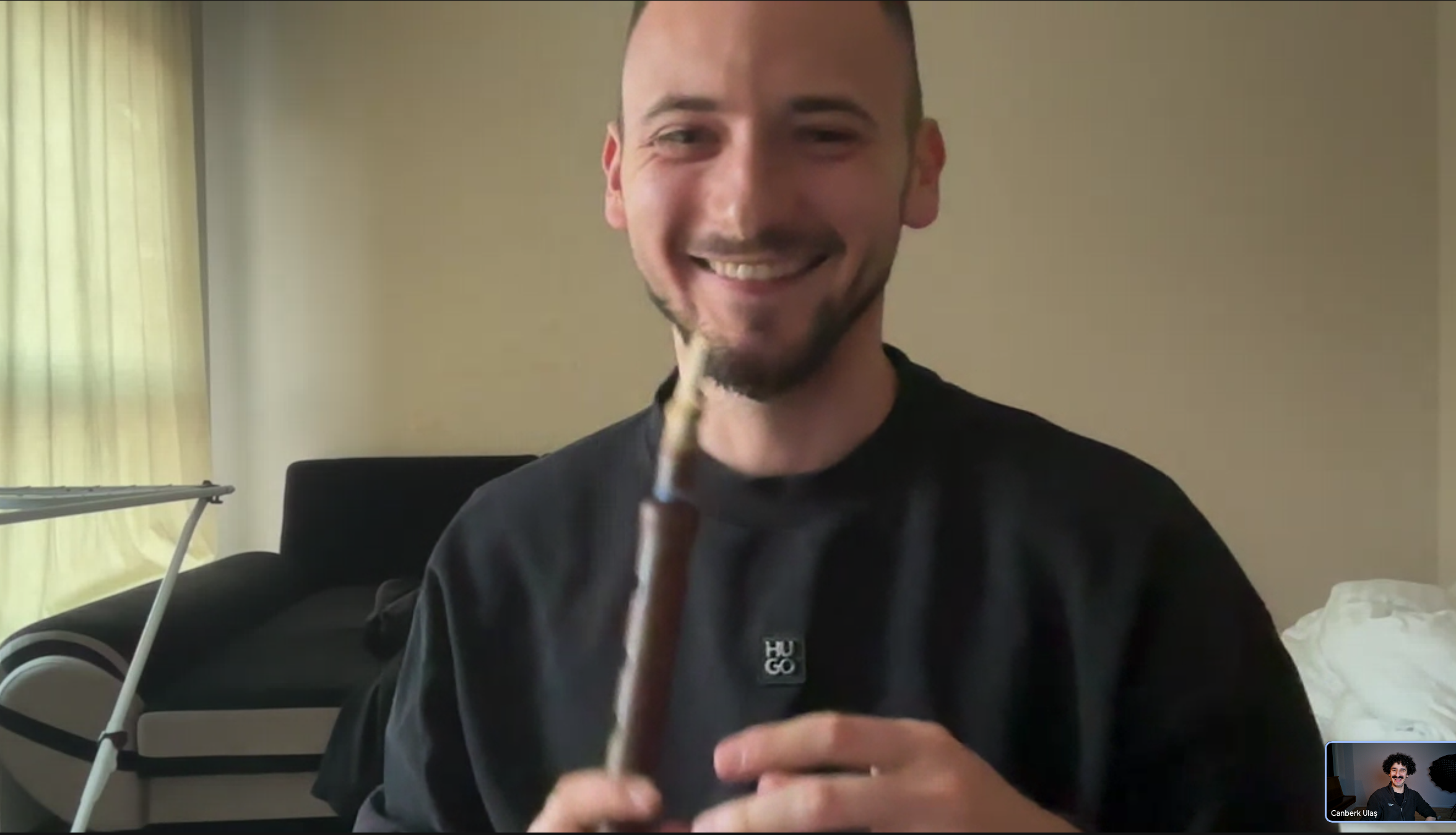
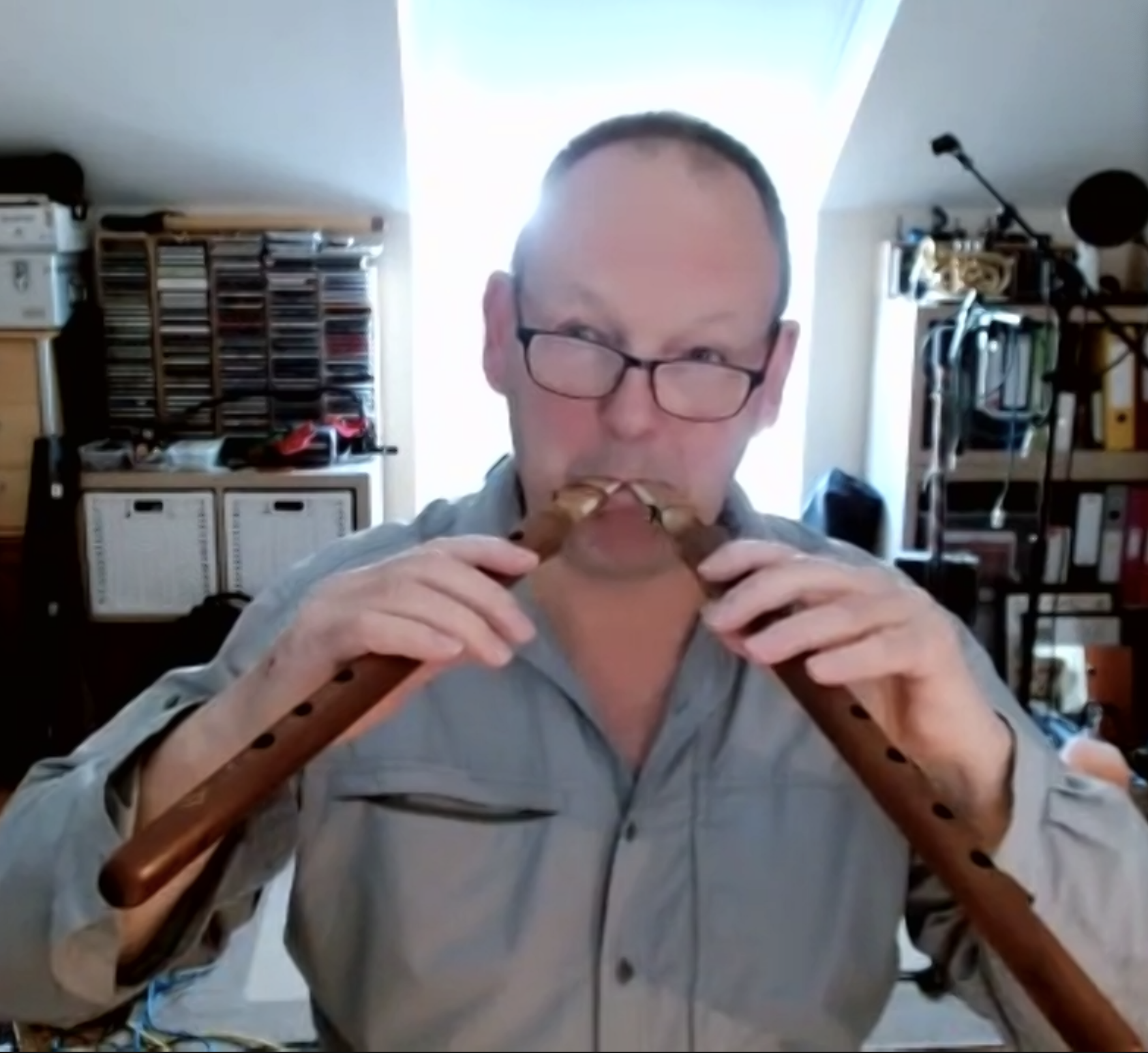
Photos used with permission
What Students Say
All students featured here studied with Canberk through private online lessons.
The Academy is built on the same method, now structured into a complete learning system.
⭐️⭐️⭐️⭐️⭐️
“This is a much-needed service. Duduk teachers in the US are not very plentiful, and my lessons with Canberk have taken me much further than I would ever have achieved studying locally.
I recently played the duduk at a concert in Virginia, and I was able to demonstrate sound, vibrato, note bending, and nuance thanks to what I learned from Canberk. The audience loved the sound of the duduk and said it really stood out for them. Of course, I told them that Canberk is my teacher and a master of the instrument.”
Christa Patton - USA
Early harp and wind specialist
⭐️⭐️⭐️⭐️⭐️
“Canberk is an amazing player and a very professional and encouraging teacher. He truly sees his students as individuals and pays close attention to their specific progress. He is very precise and does not always go easy on you, which makes the learning process on the duduk extremely thorough.
I have now had 13 lessons and am starting to develop a solid foundation in my playing. I could never have reached this stage on my own. I am very grateful to have someone like Canberk as my teacher.”
Petteri Oksanen - Finland
Music lover - his second instrument
⭐️⭐️⭐️⭐️⭐️
“The duduk is a deceptively simple instrument. Playing it well, however, is another matter. Over the course of several years, Canberk's patient and logical instruction has helped me make sense of the duduk's unique technique and sound production requirements. He has helped me develop my own style, based on the traditions of the instrument and its music. Without Canberk's guidance and inspiration, my duduk might well be resting in a closet. Instead, it has become an integral part of my musical life.”
Thomas Aber - USA
Professional clarinetist
⭐️⭐️⭐️⭐️⭐️
"I always wanted to play a wind instrument and the duduk sound appeared the most exciting for me. Canberk helped me to start my journey into the duduk world. In addition to studying repertoire and music theory, our classes are always filled with jokes and fun. I express my gratitude for the extremely pleasurable time learning with Canberk!"
Wladyslaw Krauchuk - Poland
Music lover - his first instrument
Subtitles are available.
Real Music From Real Students
Simon Heath - Scotland
Kieron Concannon - Ireland
Meet Your Duduk Instructor
Hi, I am Canberk.
I am a duduk player, composer, teacher, and improviser, and I have spent nearly two decades working with this instrument, not only exploring its sound but understanding how it functions as a complete system.
I was born in Türkiye and shaped by the musical cultures of the region. Before dedicating myself fully to the duduk, I played several different instruments. When I first encountered the duduk, something shifted. I stopped playing everything else and chose to focus exclusively on this instrument.
At that time, I was already studying the mey. I first learned about the existence of the duduk through my mey teacher, and when I decided to take up the duduk, he naturally taught it to me using mey technique, as that was the approach he knew. Since the mey and the duduk share the same roots and are structurally very close, this became my initial point of entry into the instrument. In Türkiye, the mey has traditionally been played mostly by Kurdish and Turkish musicians, and for a long time I approached the duduk through this perspective.
This gave me an entry point, but it also created limitations. Despite my musical background, I struggled with tone stability, intonation, and understanding why the instrument behaved the way it did. These years of confusion later became fundamental to my teaching philosophy.
Everything changed when I began studying closely with Özcan Gül and Suren Asaduryan. With them, I had to let go of the mey-based approach entirely. I learned a duduk technique developed in Armenia and is deeply connected to Suren’s personal technique and to the heritage of one of the defining figures of the Armenian duduk tradition, Vache Hovsepyan. Through this process, I rebuilt my technique from the ground up and began to understand the duduk as its own physical, musical, and expressive system.
Alongside this transformation, I studied at Istanbul Technical University Turkish Music State Conservatory, where my foundation in traditional music was further shaped.
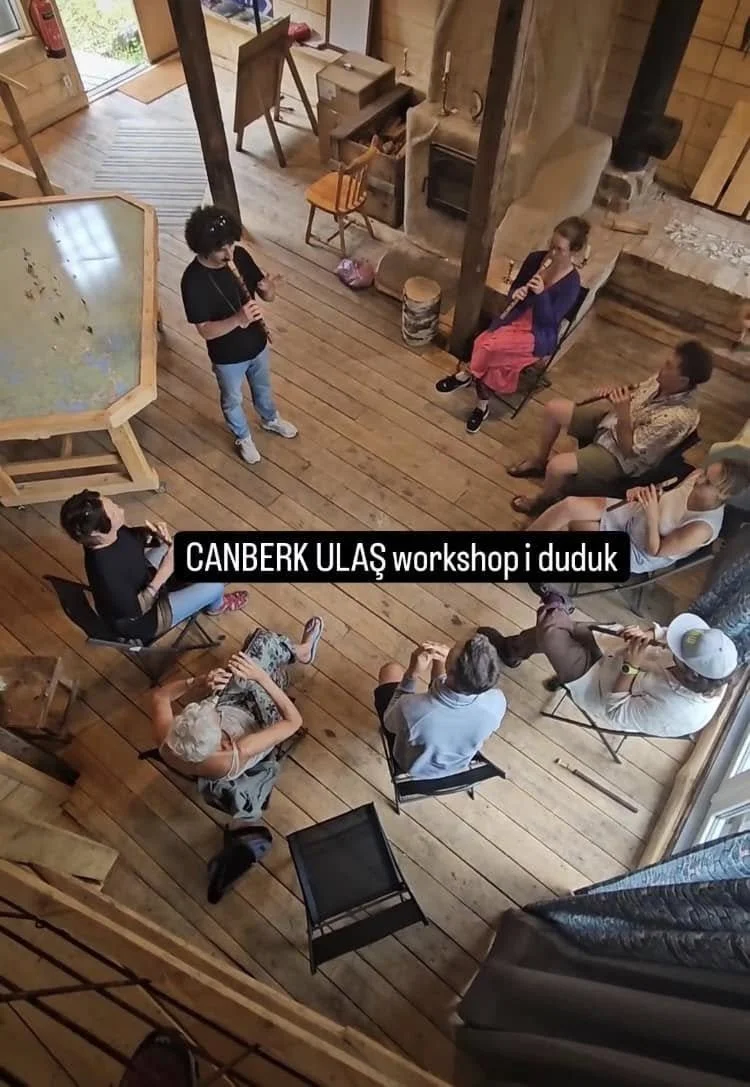
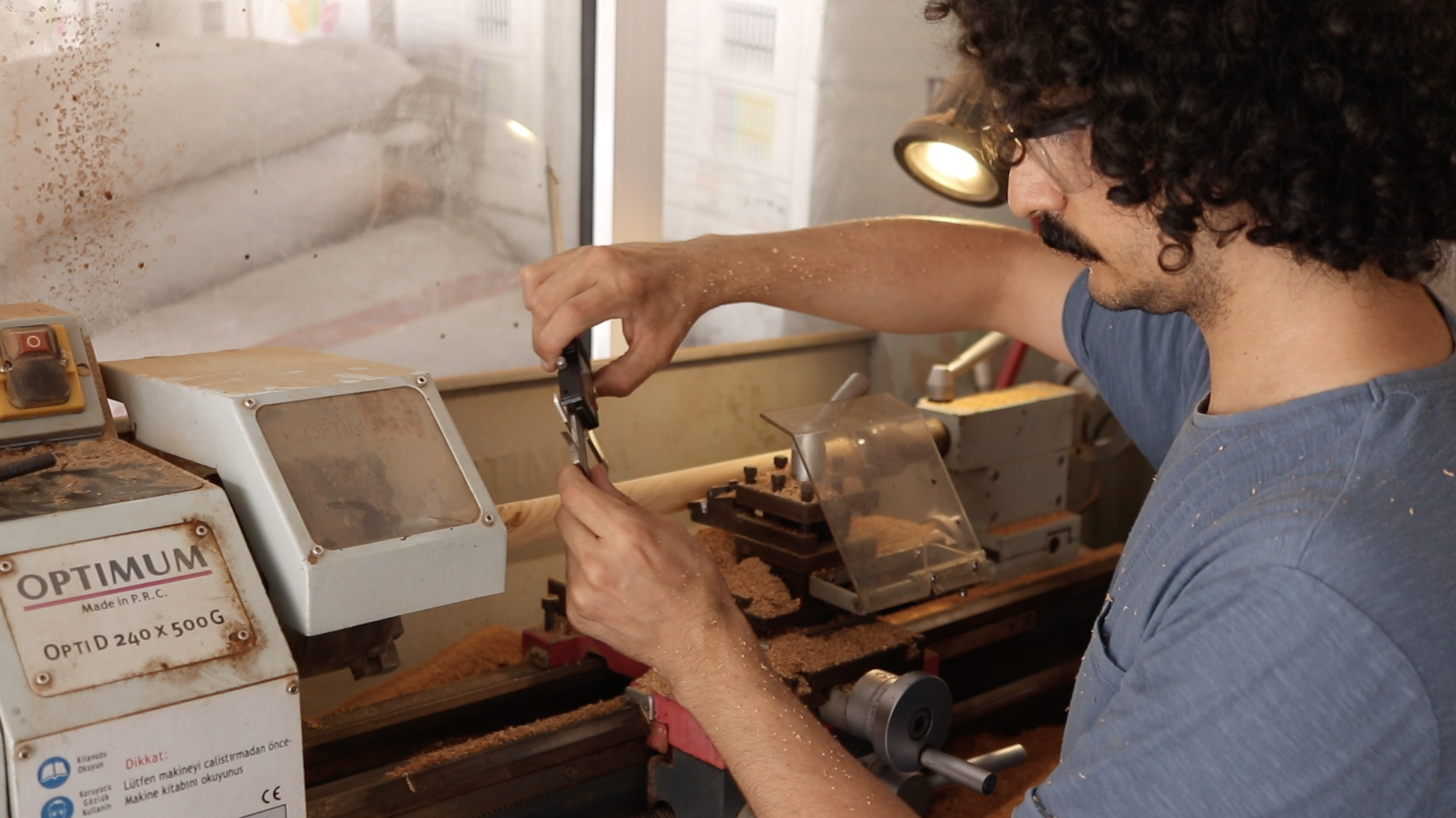
After this period, years of experimentation followed. Through careful listening, trial and error, performing at studios and live, and continuous refinement, I gradually developed my own technical approach and methods. My curiosity for sound also led me to build my own atelier and begin making duduks myself, experimenting with different wood types and dimensions. Today, I play instruments built with my own unique measurements, developed to support a wide, deep, soft, and stable tone. This sound has become central to both my music and my teaching.
I later completed my Master’s degree in World Music Performance at University of Agder in Norway and University of Gothenburg in Sweden. During my master’s studies, my work focused on improvisation, interplay, and solo performance. My master’s thesis, How to Explore Contemporary Potentials of the Duduk, explored extended techniques and electronic treatments, opening new sonic and expressive possibilities for the instrument. This research led to new compositions and eventually to my second solo album, Echoes of Becoming, which received wide attention from European music magazines.
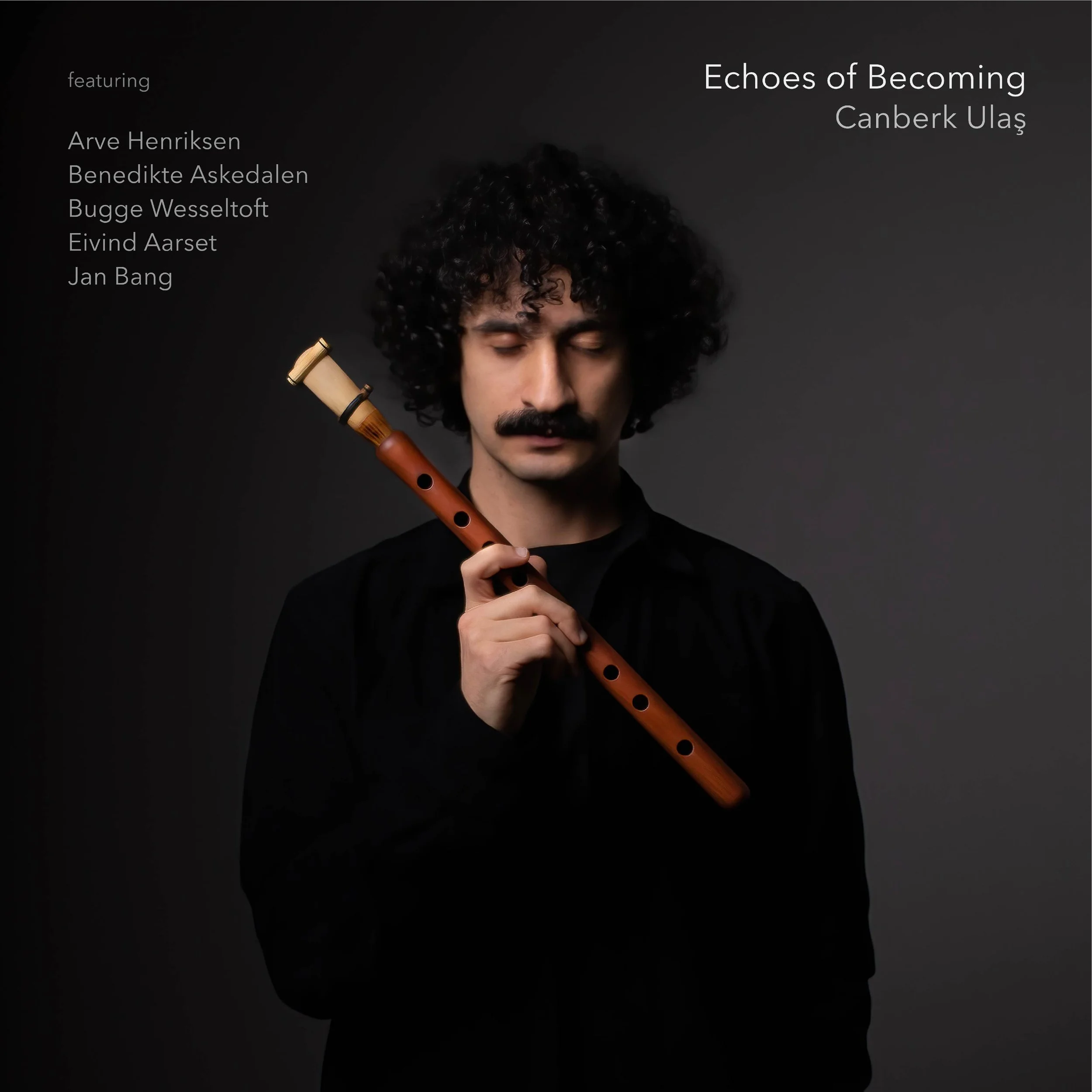
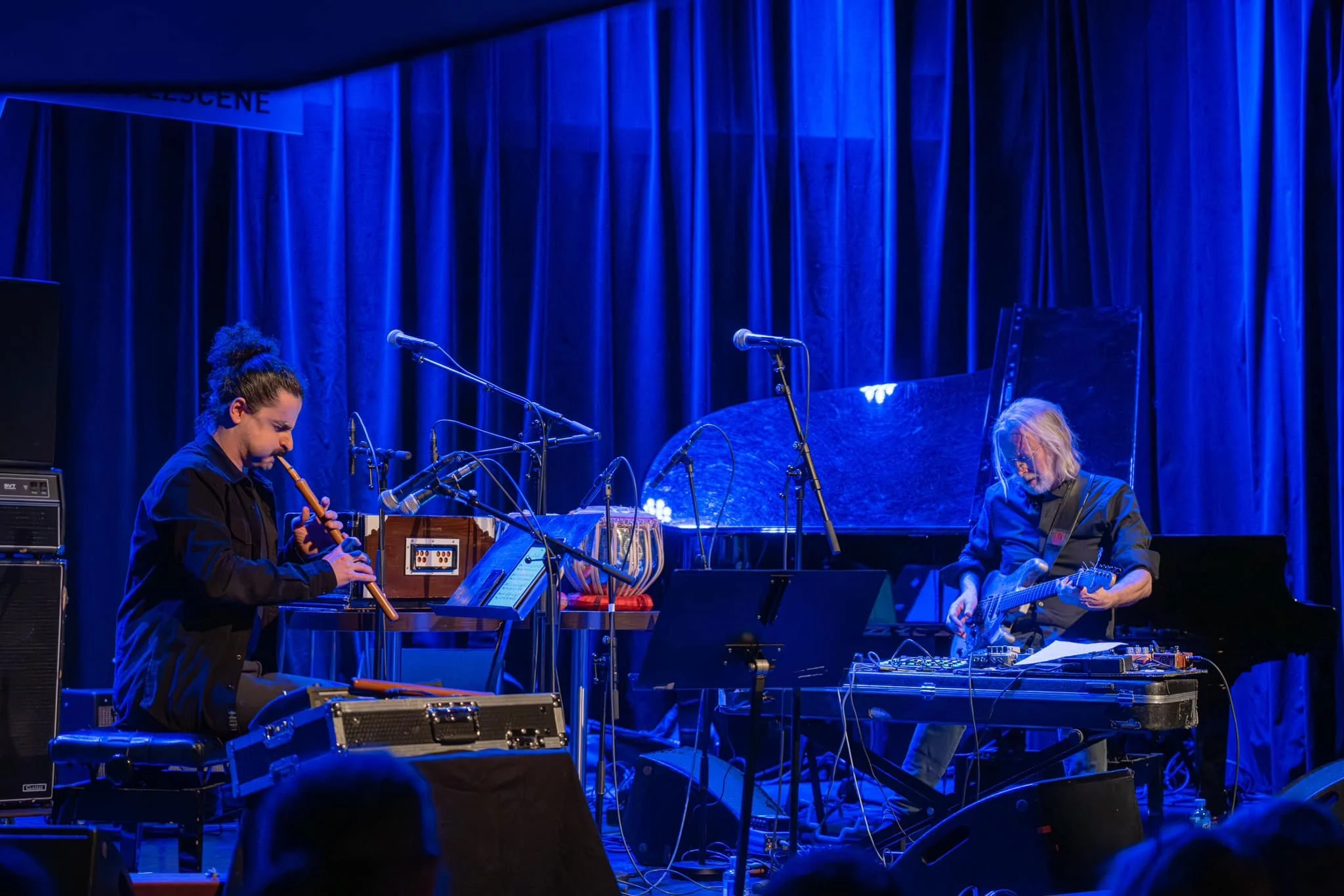
As a performer, I work both as a soloist and in collaborations, performing on different stages across Europe. I have collaborated with internationally recognized Norwegian jazz and improvisation musicians such as Arve Henriksen, Jan Bang, Bugge Wesseltoft, and Eivind Aarset, all of whom also took part in Echoes of Becoming. I have worked across genres and formats, using the duduk in borderless musical contexts and exploring new sounds and forms of expression beyond its traditional roles.
I founded Global Duduk Academy to bring together everything I have learned through tradition, experimentation, performance, and teaching into a clear, structured, and human way of learning the duduk. The Academy is designed especially for those who feel the instrument’s depth but struggle to find a reliable path forward and a beautiful community to walk that path with.
I hope to see you inside.
contact@globaldudukacademy.com