Learn the Duduk with structure, guidance, and a global community
play duduk · slow down
Founded by Canberk Ulaş
Global Duduk Academy is a structured online learning platform for the Armenian Duduk.
Members progress through a step-by-step curriculum at their own pace through high-quality video lessons, supported by live group sessions, personalised feedback and a global learning community.
More than video courses
More than private lessons
A complete learning experience
Why Learn with Global Duduk Academy
-
The Academy is more than a collection of videos.
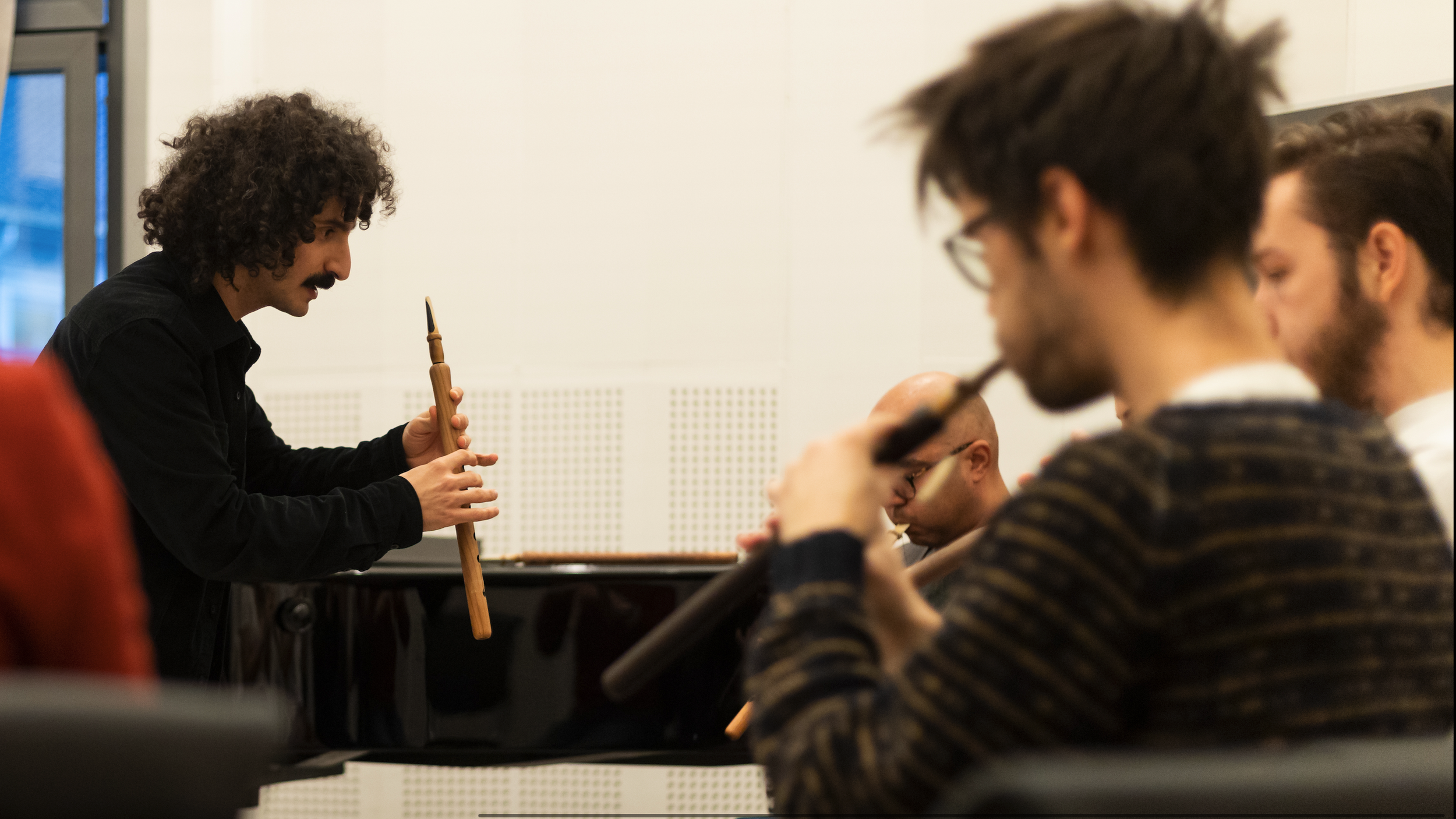
Video lessons are only one part of the learning experience. Live group sessions, personalised feedback, direct communication with the teacher and an active international community work together to provide guidance, motivation and accountability throughout your journey.
-
Everyone learns differently. Some techniques take longer to develop, while others come naturally.
Move through the curriculum at your own speed. Watch lessons as many times as you need, slow videos down when necessary, or skip ahead when a topic already feels comfortable. The curriculum adapts to your learning pace, not the other way around.
-
One of the biggest challenges of learning an instrument is knowing what to work on next.
The Academy provides a structured curriculum that guides you step by step, from your very first sound to more advanced techniques and repertoire. Instead of guessing what to practise, you can focus your energy on making real progress.
-
Learning through videos doesn't mean learning alone.
At key checkpoints throughout the curriculum, you can submit a video of your playing and receive personal feedback from Canberk. If corrections are needed, you'll know exactly what to improve before moving on.
Need more guidance? You can also submit your videos during the monthly live group sessions, where everyone benefits from hearing the feedback and learning together.
-
Questions are a natural part of learning.
Message Canberk directly, ask in the community discussion space or submit your questions for the monthly live group sessions. Support is available whenever you need clarification or guidance.
-
Learning is easier when you're surrounded by people on the same journey.
Connect with duduk players from around the world, share your progress, exchange ideas, ask questions and celebrate each other's achievements in a supportive international community.
Full Membership enrollment reopens on
7 January 2027
at 19:00 CET (Stockholm)
18:00 GMT (London)
1:00 PM EST (New York)
10:00 AM PST (Los Angeles)
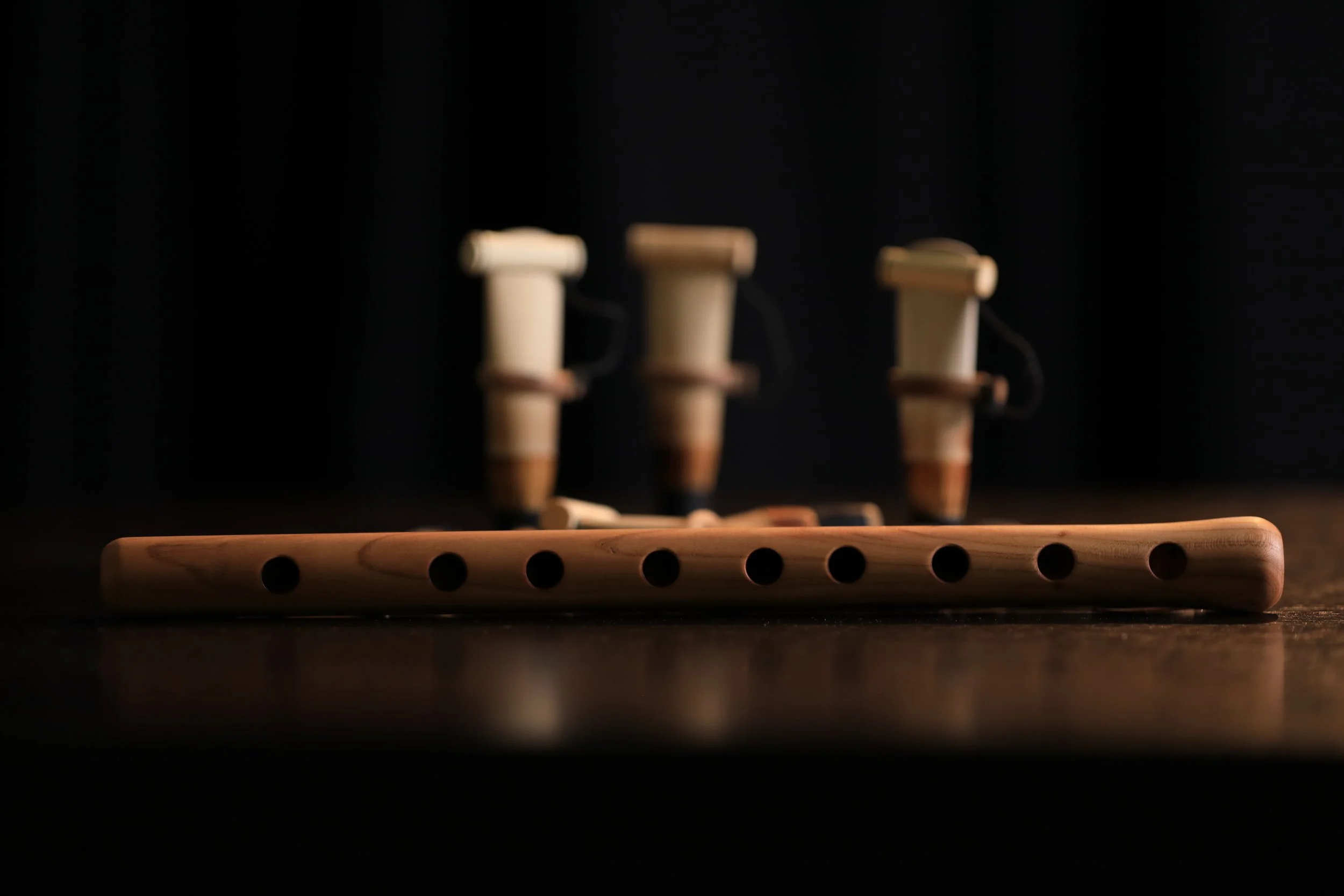
Choose Your Learning Path

Choose Your Learning Path
Video Course Member
Always open
Independent learning
€59 / month
Cancel anytime
✓ Duduk Learning Path Video Courses
✓ New phases and repertoire as they are released
✓ Access on desktop and mobile app
✓ Reduced rates on private lessons
Full Member
Limited enrollment. Opens a few times per year.
A more supported experience with community, live sessions, and personal feedback.
Best Value
€99 / month
Cancel anytime
Includes everything in Video Course Membership, plus:
✓ Community
✓ 3 Personal Feedback Checkpoints
✓ Monthly live group session
✓ Direct messaging with the teacher
✓ Lowest member rates on private lessons
Why Is the Academy Such Exceptional Value?
Private lessons give you time with a teacher.
Global Duduk Academy gives you a complete learning environment.
Your membership brings together:
A structured curriculum created by internationally recognised duduk artist and educator Canberk Ulaş
Clear, detailed demonstrations you can revisit whenever you practise
Continuous opportunities to ask questions and deepen your understanding
An international community where members learn from one another
Group meetings and personal feedback for Full Members
Guidance that keeps you connected to the duduk throughout the month
Receiving this level of expertise and continuous support through private tuition would require frequent lessons with a highly specialised teacher—and would cost considerably more.
You are not simply paying for lessons. You are joining an environment designed to help you progress consistently and understand the duduk more deeply.
What level is the Academy for?
New to the duduk or to music altogether?
Start with Phase 1 and build your foundation step by step. No previous musical experience is needed.
An experienced musician, but new to the duduk?
Bring your musical experience and learn the technique this instrument requires. Phase 1 focuses on the foundations of a steady tone, intonation and control.
Already play the duduk and want to go further?
Start with Phase 1 to revisit your foundations, identify habits that may be holding you back and refine your sound before moving into more advanced techniques.
Everyone begins with Phase 1.
You explore Canberk’s approach, even if you have learned differently before.
Full Membership is for you if
You want to share, ask questions and contribute to a community of duduk learners.
You value direct contact with your teacher and monthly group meetings.
You want to submit recordings and receive personal feedback on your playing.
Video Course Membership is for you if
You want to follow the same video learning path at a lower monthly cost.
You prefer studying independently, without personal feedback.
You do not need direct teacher contact, group meetings or community access.
Why Learning the Duduk Often Feels So Hard
At first, the duduk feels magical.
That sound is the reason you picked it up. You imagine long tones, slow melodies, and a deep connection with the instrument.
Then reality arrives.
You struggle to get a sound, or it comes out only with great effort.
The tone is weak, airy, or unpleasant.
Half holes don’t respond.
Intonation feels impossible.
Some days the reed works, some days it doesn’t, and you don’t know why.
You try harder. You use more air. More force.
But the duduk pushes back.
Slowly, frustration replaces curiosity.
You start wondering if something is wrong with you, your instrument, or the reed.
You search for videos, try random tips, and jump between explanations, but nothing really changes.
And many people stop here.
Not because they lack talent,
but because they were never shown how the duduk actually works.
The Duduk Is a System, Not a Mystery
The duduk is one of the most sensitive wind instruments in the world.
Small changes in embouchure, air, finger pressure, or reed position change everything.
If you don’t understand how these elements work together as one system,
you end up using effort instead of control.
That’s where most beginners get stuck.
A Clear Path, Step by Step
Global Duduk Academy is built to teach this foundation slowly and clearly:
Embouchure and air control
Finger position and half holes
Intonation and tuning
Understanding the reed and how to work with it
Playing songs with a stable, beautiful tone
Everything is taught step by step, with guided exercises, clear explanations, and personal feedback. So you always know what to practice and why.
When the Foundation Is Right, Everything Changes
With time and practice, the instrument begins to respond.
The sound becomes soft and stable.
Intonation improves.
Playing feels easier, more natural, and more musical than you expected.
The duduk stops fighting you,
and starts speaking with you.
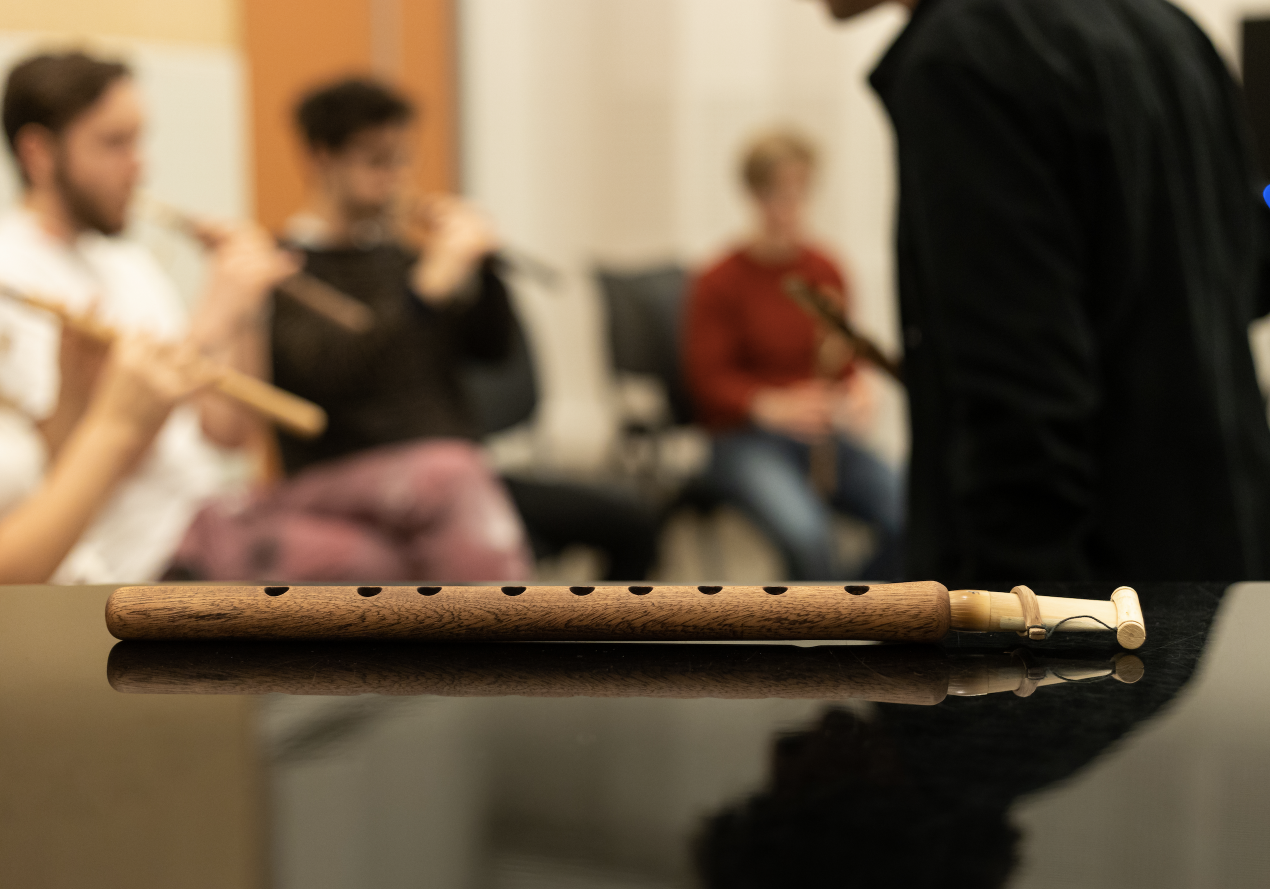
A Structured Learning Path
• Curriculum •
A Structured Learning Path
• Curriculum •
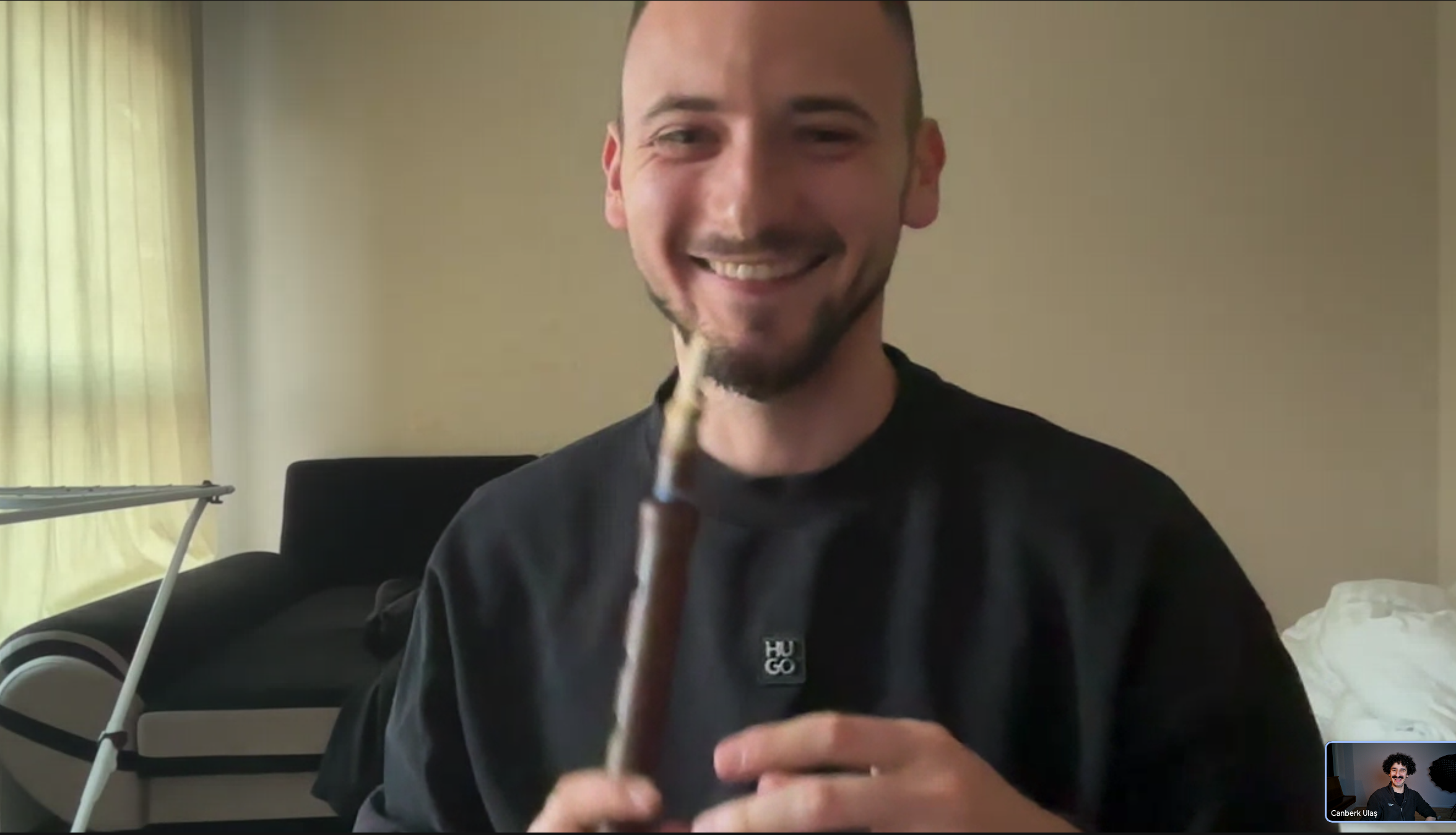
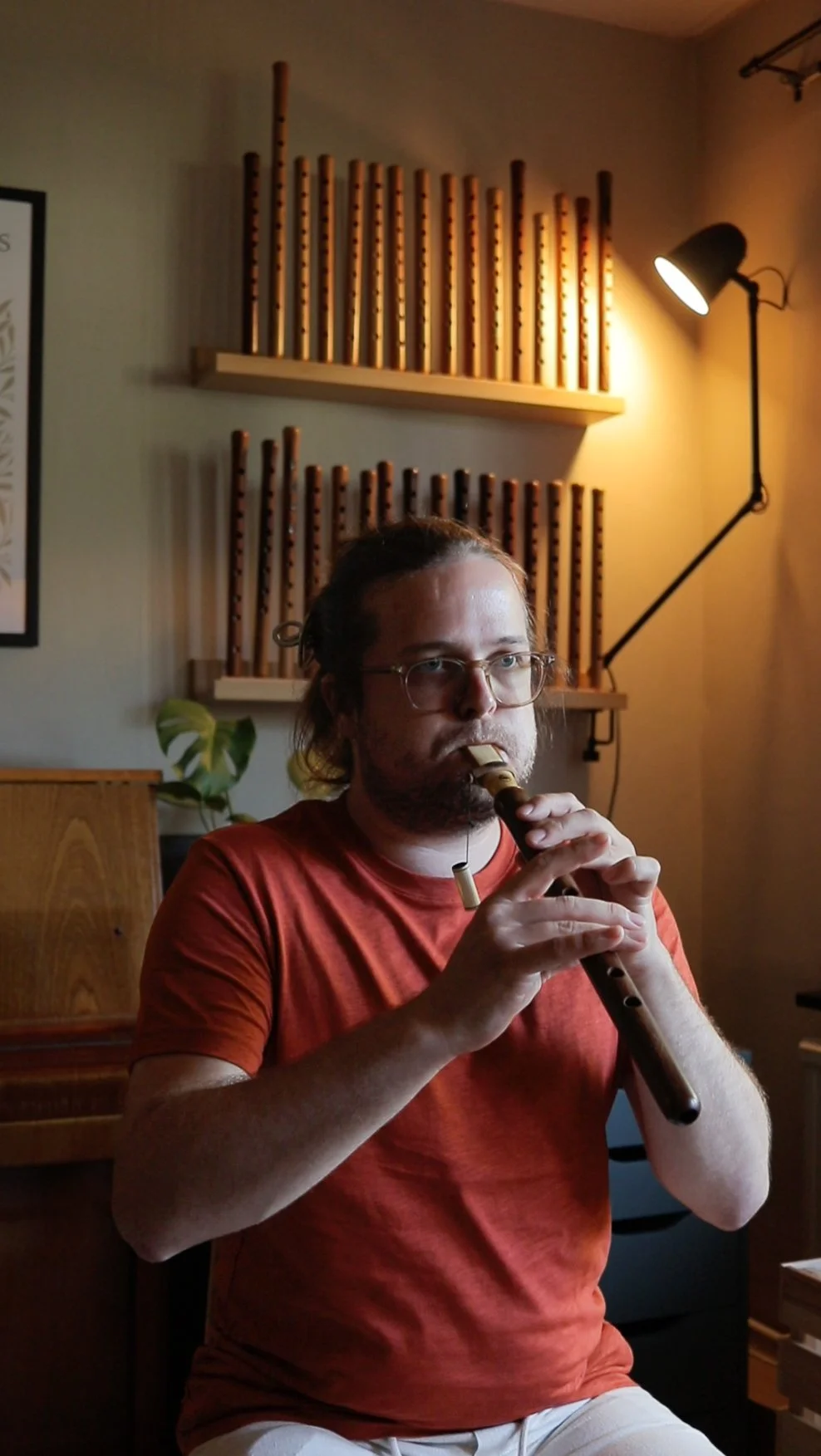
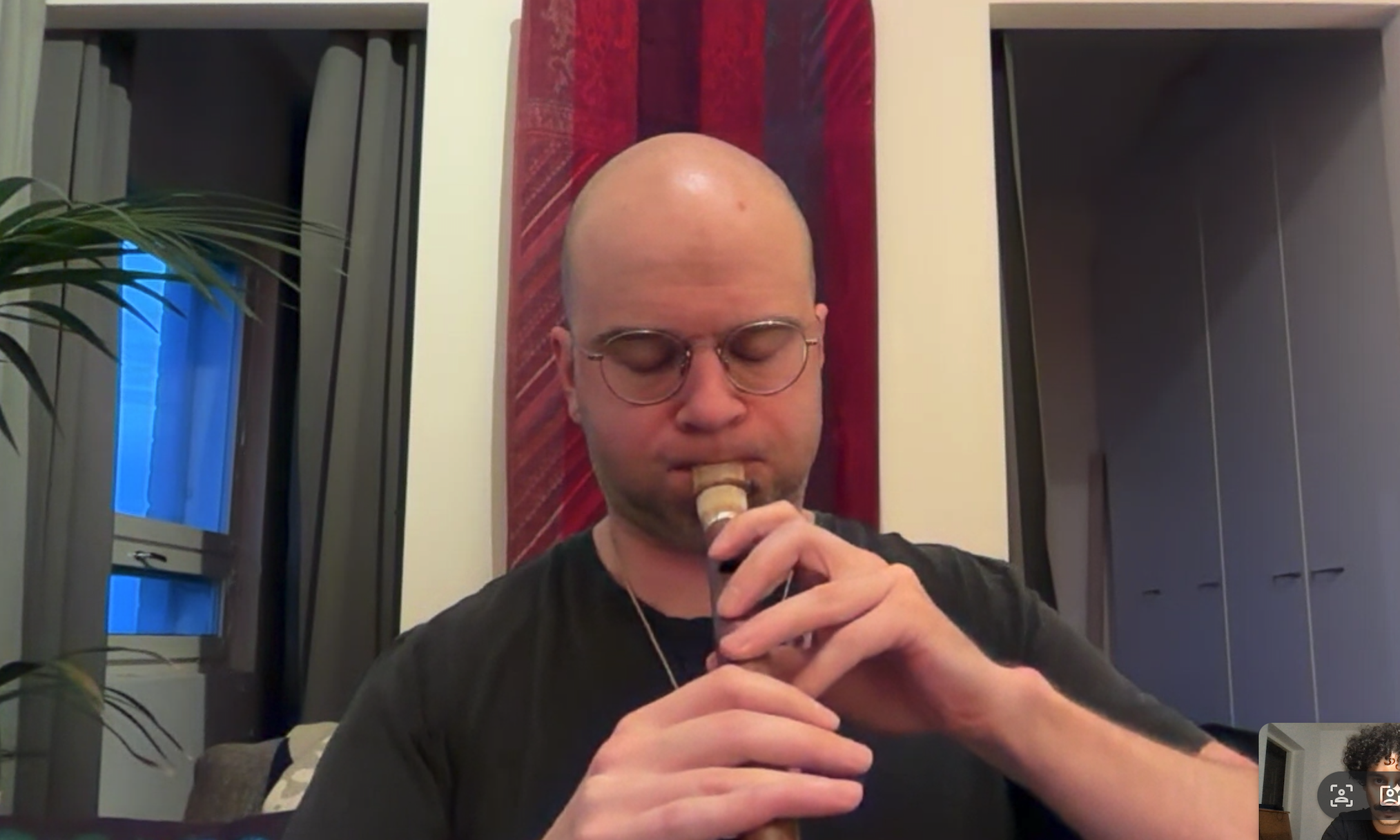
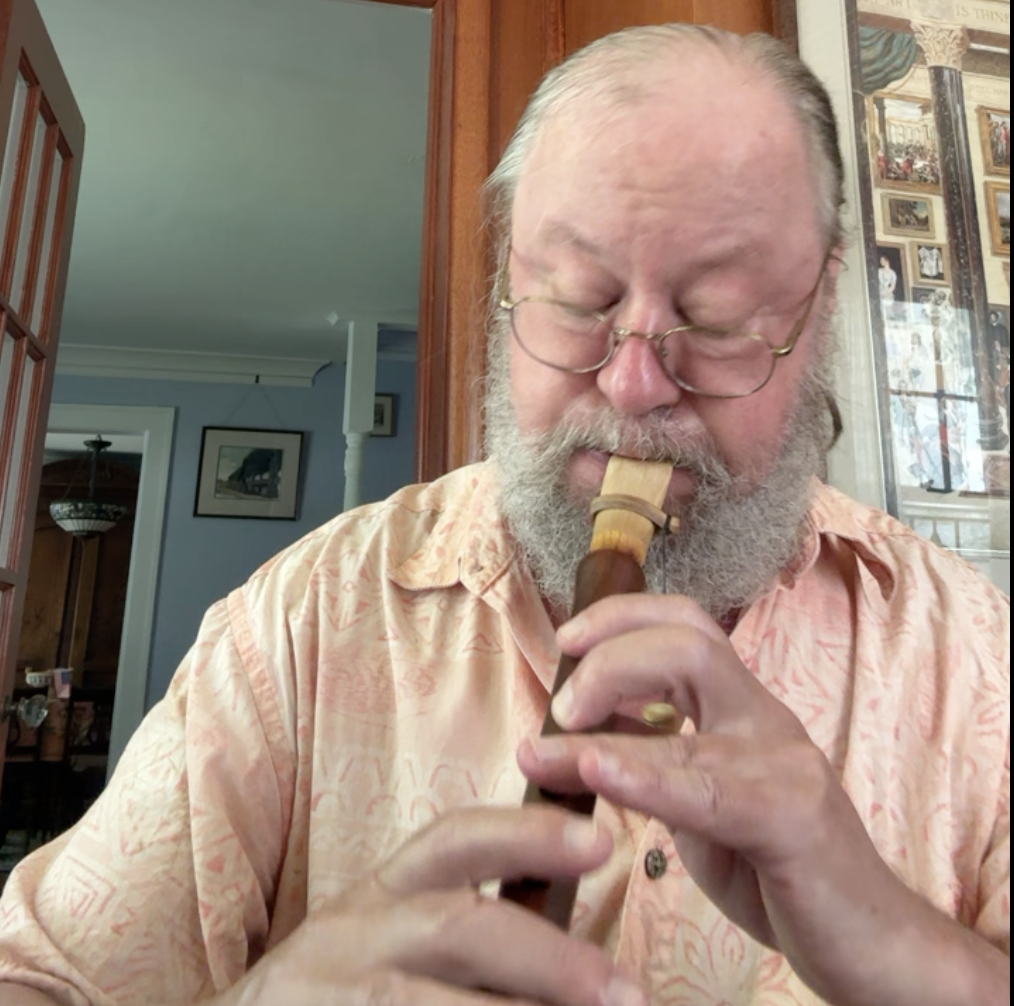
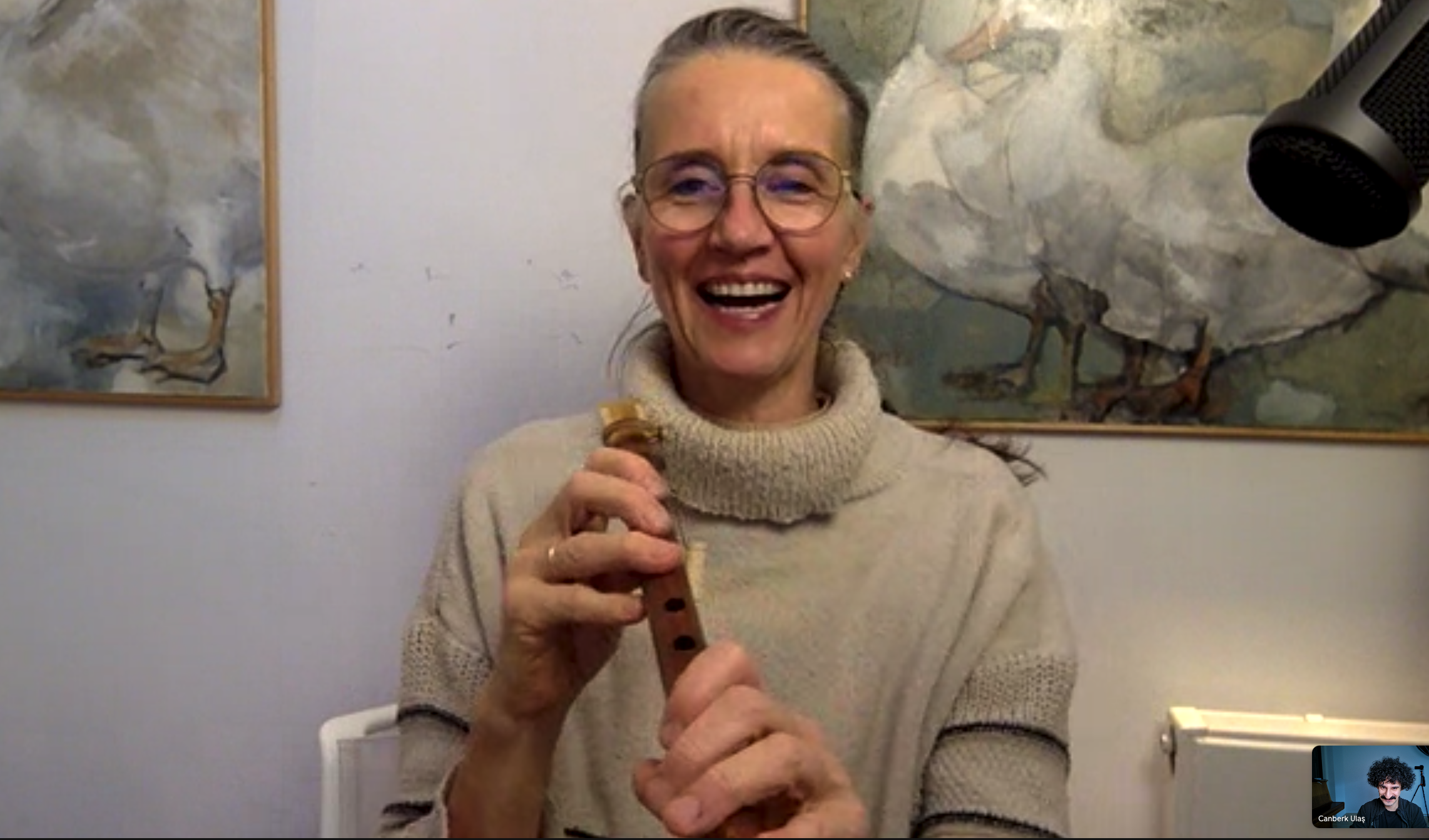

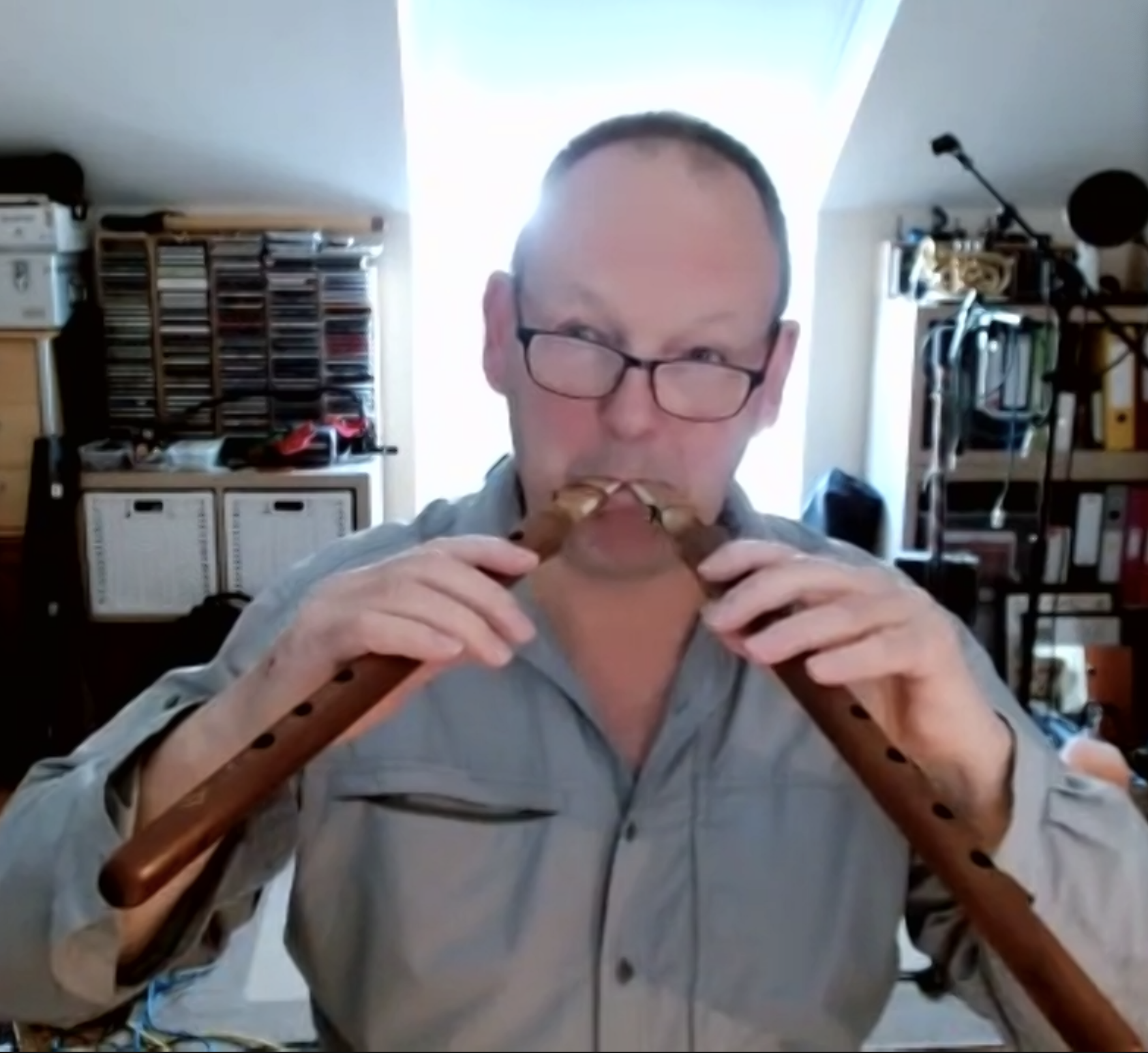
What Students Say
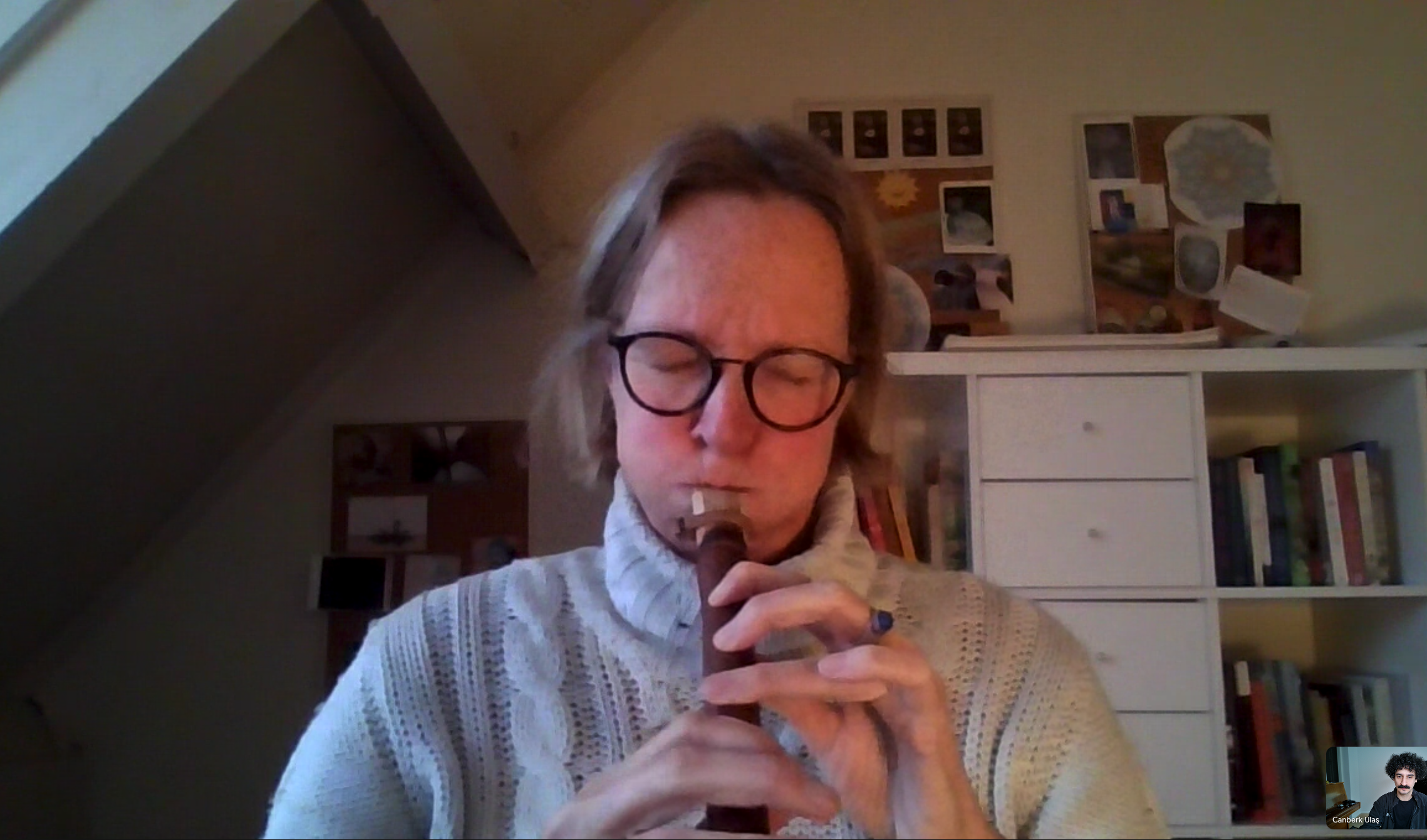
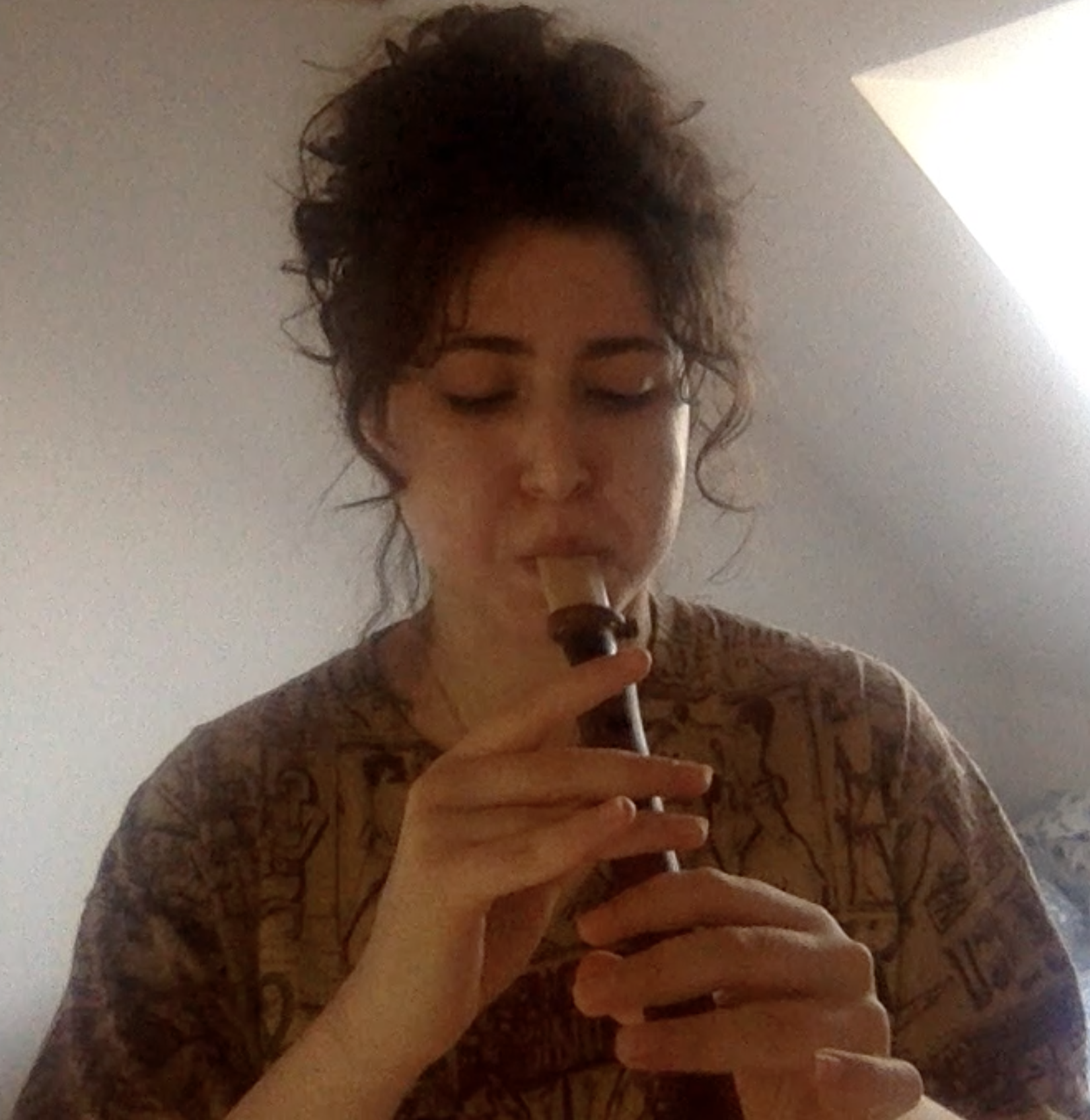
All students featured here studied with Canberk through private online lessons.
The Academy is built on the same method, now structured into a complete learning system.
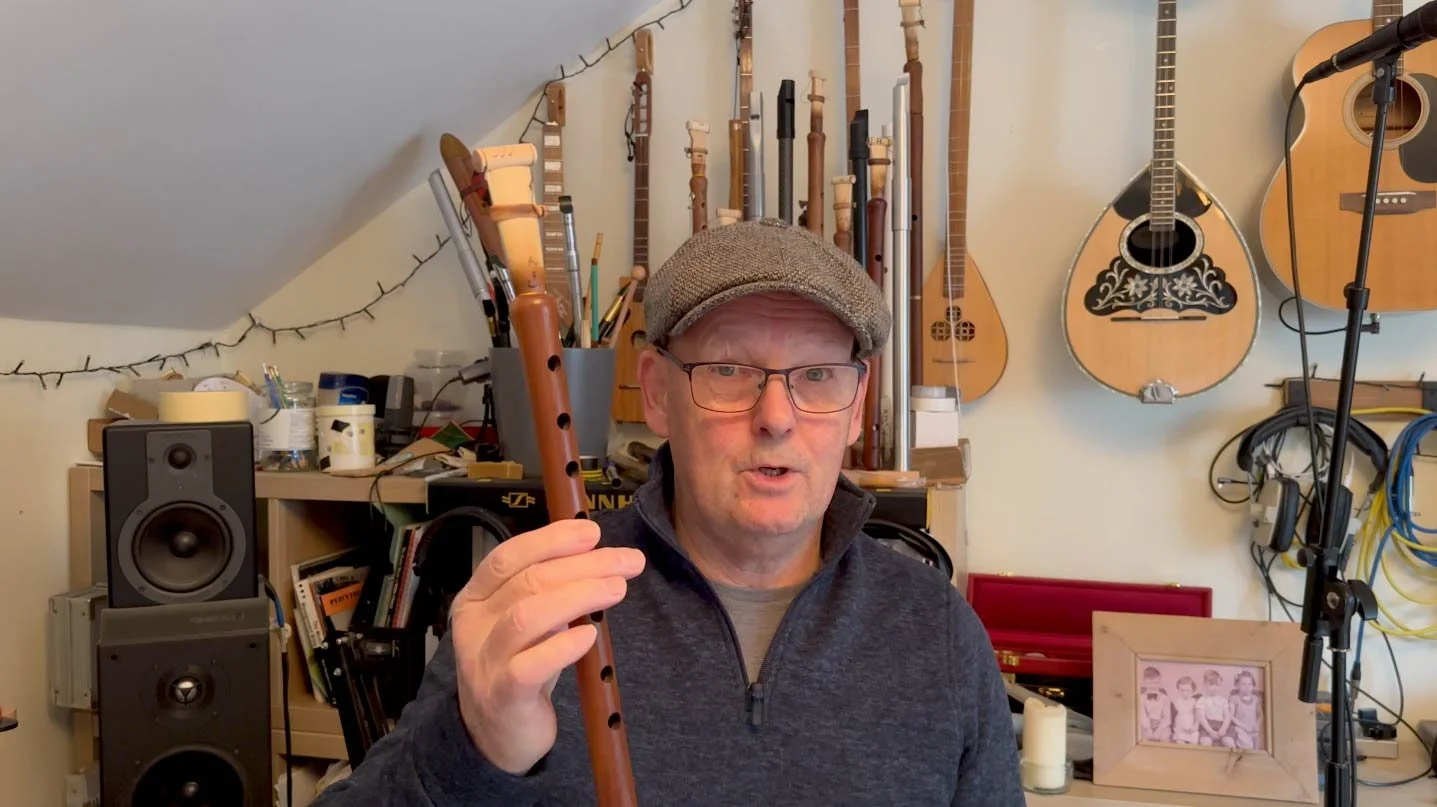
Real Music From Real Students
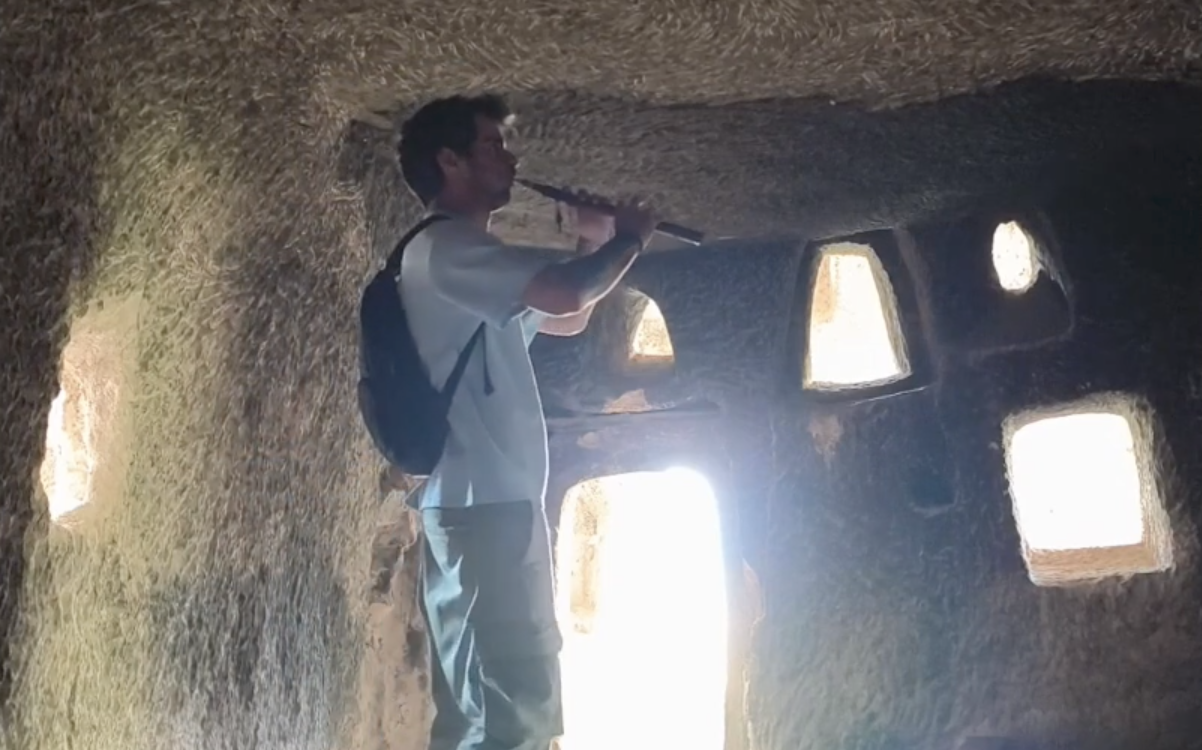
Vlad-Valentin Iacobuş - Romania
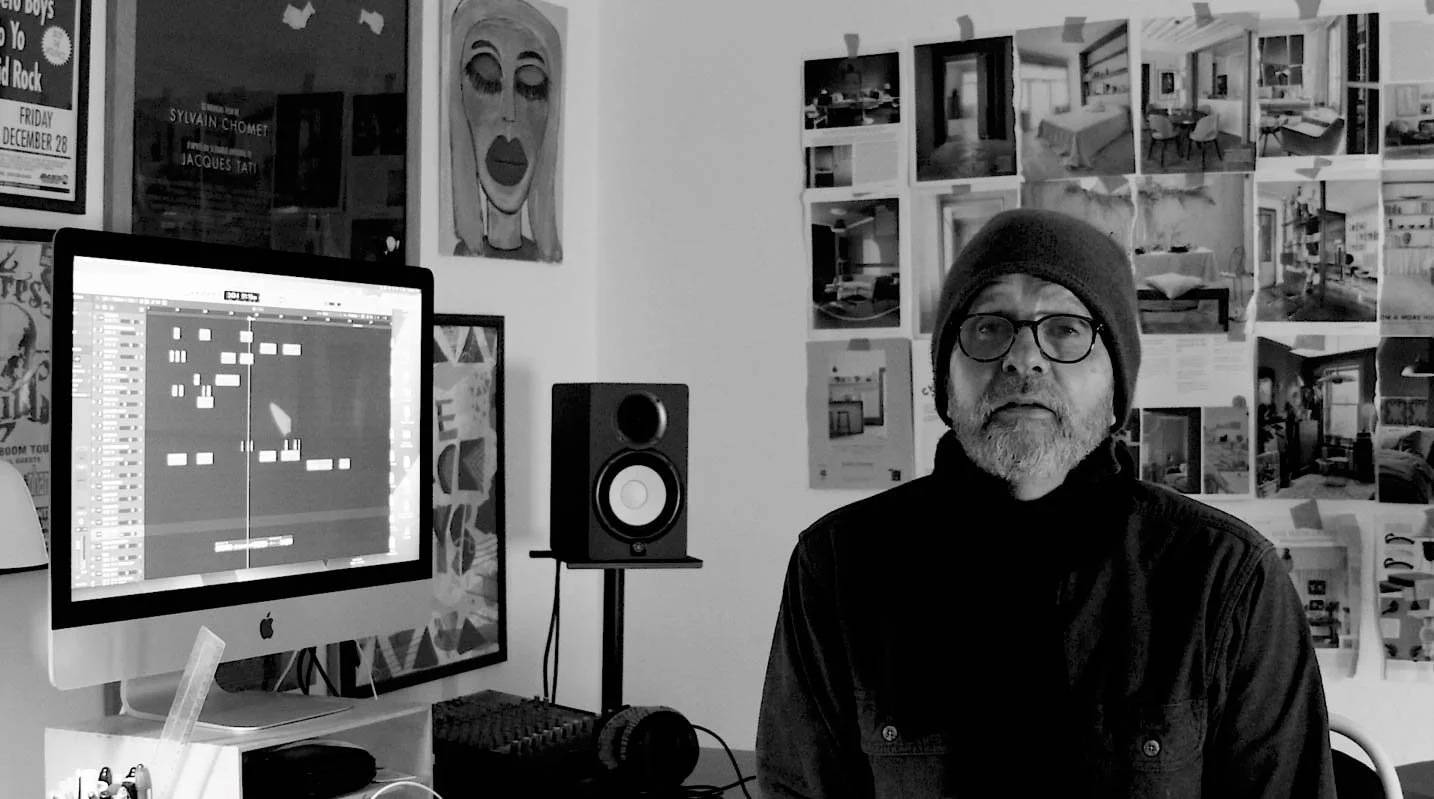
Simon Heath - Scotland
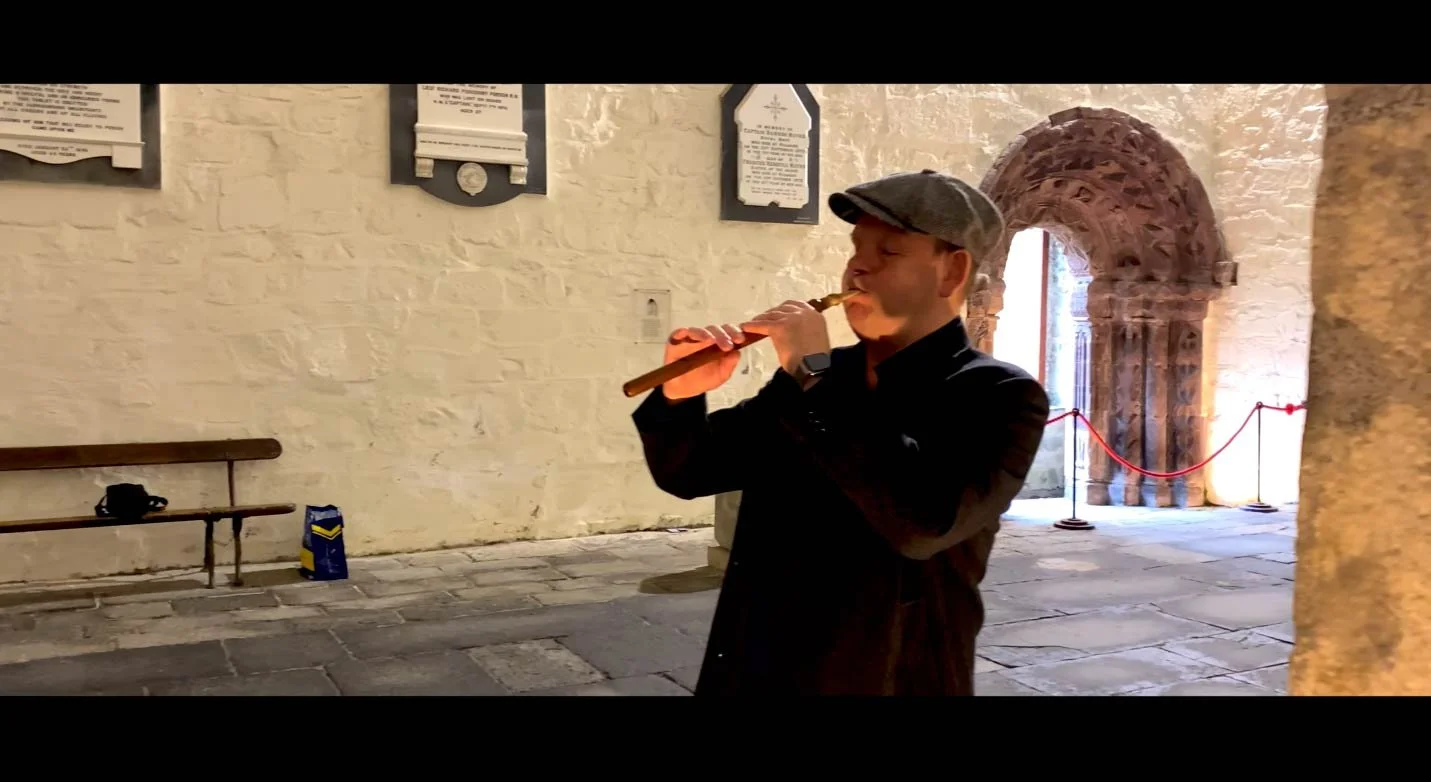
Kieron Concannon - Ireland
Meet Your Duduk Teacher
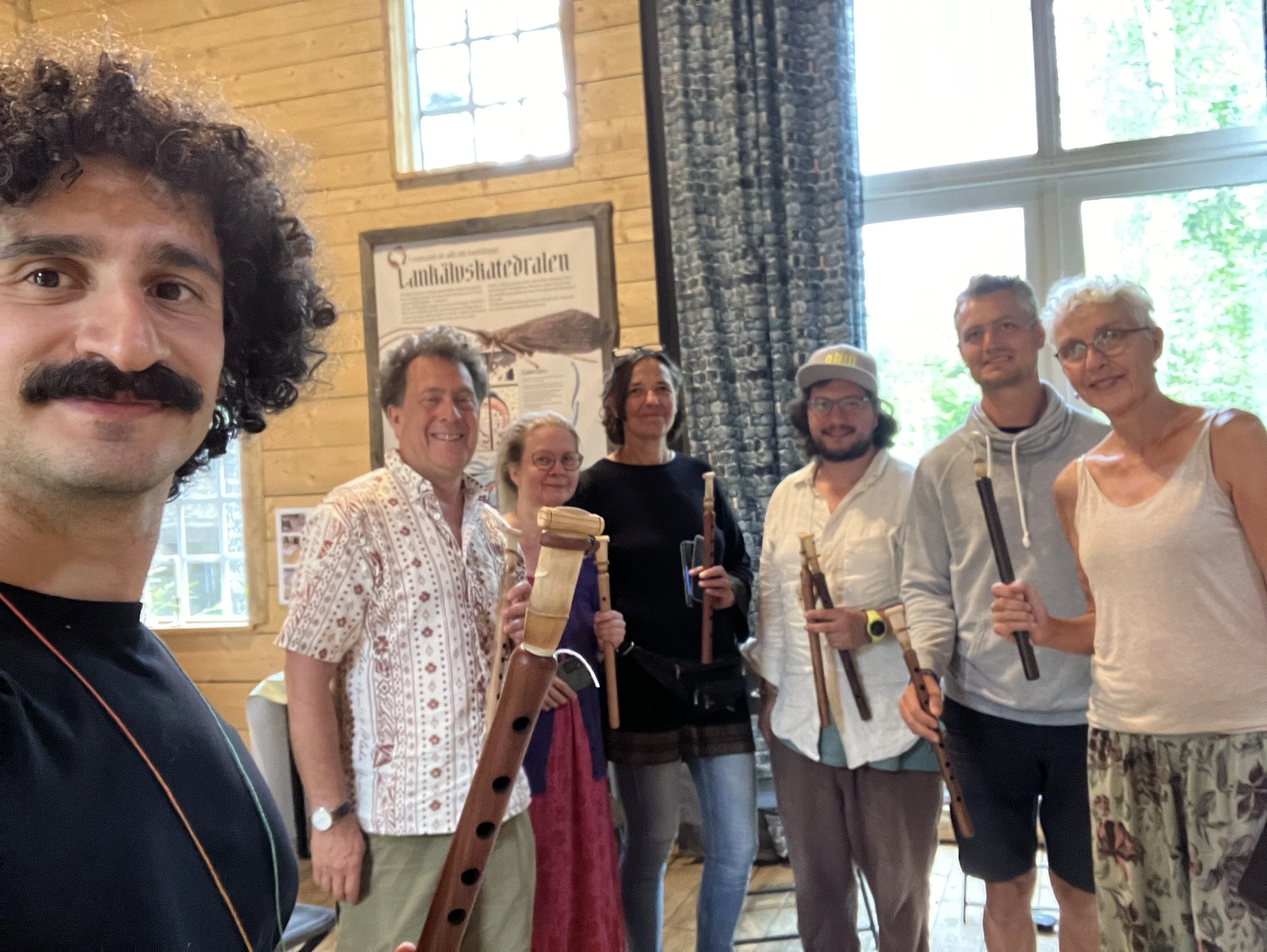
Hi, I am Canberk.
I am a duduk player, composer, improviser, and educator and I have spent nearly two decades working with this instrument. I was born in Türkiye and shaped by the musical cultures of the region. Before dedicating myself fully to the duduk, I played several different instruments. When I first encountered the duduk, something shifted. I stopped playing everything else and chose to focus exclusively on this instrument.
At that time, I was already studying the mey, a closely related instrument to the duduk, played by Turkish and Kurdish musicians in Türkiye and neighboring regions. I first learned about the existence of the duduk through my mey teacher, and when I decided to take up the duduk, he naturally taught it to me using mey technique, as that was the approach he knew. Since the mey and the duduk share the same roots and are structurally very close, this became my initial point of entry into the instrument.
This gave me an entry point, but it also created limitations…
Frequently Asked Questions
-
The duduk is not difficult to begin, but it does require the right approach.
Most beginners struggle not because the instrument is too hard, but because they do not yet know how to work with the reed, embouchure, and finger positioning.
Another common reason is the instrument itself. Many people start with cheap or souvenir duduks that do not respond properly, even when played correctly. This can make the instrument feel much harder than it actually is.
With the right guidance, a structured method, and a good instrument, the duduk becomes much more accessible than most people expect.
-
Not as much as you might think.
The duduk does require breath control, but it does not require unusually large lung capacity. Most of the challenge comes from technique, not from how much air you have.
If playing long notes feels difficult at the beginning, that is completely normal. Breath control improves naturally with the right practice.
A well adjusted medium reed and a responsive instrument also make a significant difference and help you play more comfortably.
-
We recommend starting with a key of A duduk and a medium strength reed.
The A duduk is the most widely used and best represents the characteristic sound of the instrument. It also provides a comfortable and accessible fingering system for beginners.
All lessons inside the Global Duduk Academy are designed for a key of A duduk, so starting with this setup will give you the best experience.
-
This is one of the most common challenges for beginners, and it is completely normal.
Several factors can affect the sound:
The reed may be too hard or not well made, which makes it difficult to respond.
The connection between the reed and the instrument may not be fully sealed, allowing air to leak.
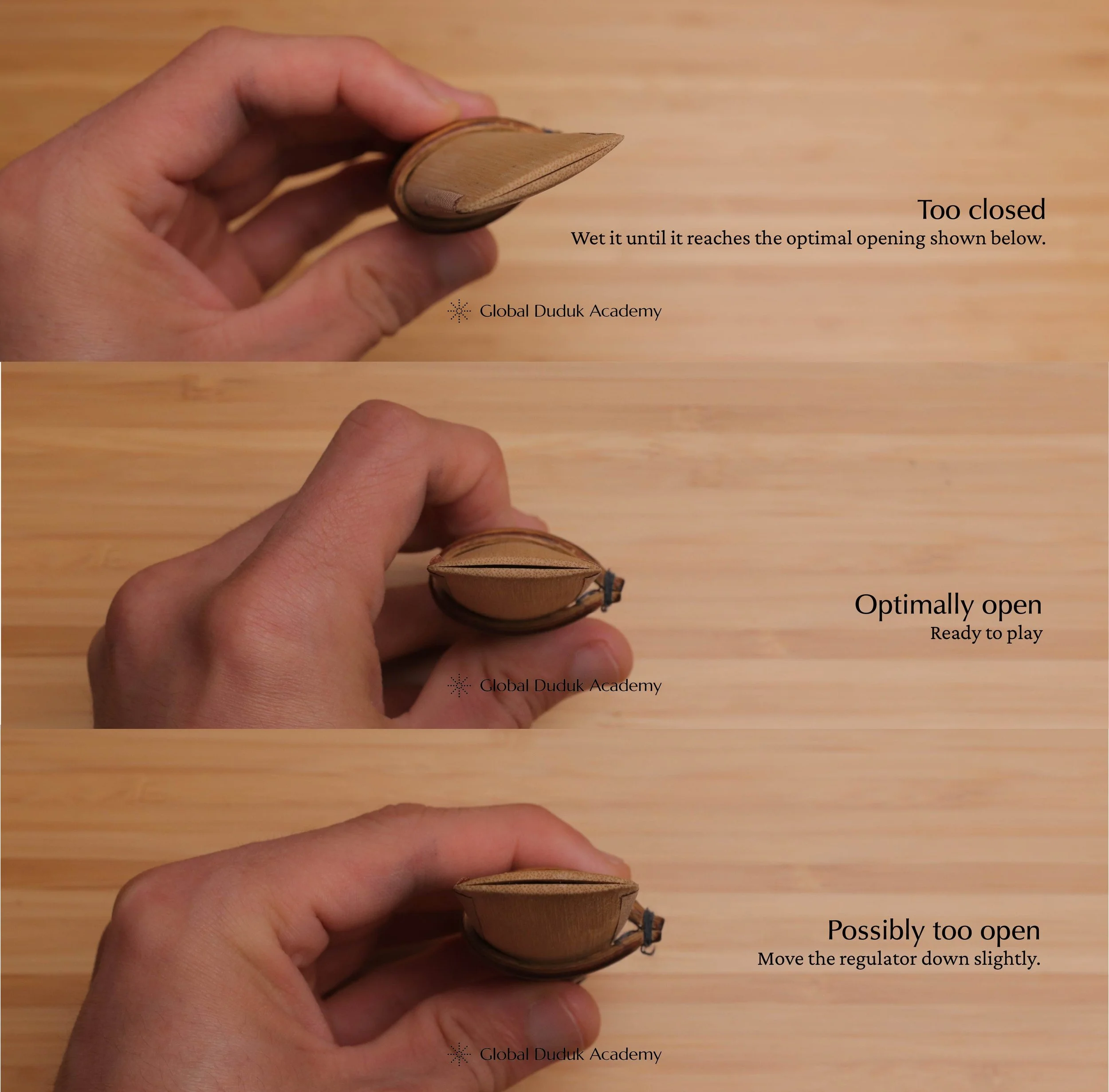
The reed may not be prepared correctly, either too open or too closed.
Too much pressure from the lips can stop the reed from vibrating.
Finger holes that are not fully covered can also prevent the sound from forming.In most cases, it is not just one issue but a combination of small details. Once these are adjusted correctly, the sound usually appears much more easily.
If you are unsure how to prepare your reed, you can watch this video for guidance:
https://www.youtube.com/watch?v=K0dAnjpvQK4&t=1s -
Yes, when the videos are created with the right teaching approach.
What matters is not only the format, but who created the material, how it is explained, and how the learning process is designed.
The video material inside the Academy is based on years of teaching experience by Canberk Ulaş, both as a performer and as an educator. These lessons are shaped by real teaching situations and common challenges that students face.
The idea behind the Academy comes from observing how effective video based learning can be. Many students have made significant progress simply by watching and following recorded lessons, even during periods without regular one to one sessions.
This is because the duduk is not learned only through explanation, but through listening, observing, and imitating. Video allows you to return to the lesson as many times as you need and absorb the details at your own pace.
Inside the Academy, this is combined with personal guidance, so you are supported throughout the process.
-
Yes, absolutely. Yes. The Academy is designed for complete beginners as well as players who want to improve their fundamentals and go further.
If you are just starting, you will be guided step by step from the very beginning, with a clear focus on tone, embouchure, breath control, and finger positioning. You will also start learning pieces early on, so you can apply what you learn musically from the beginning.
If you already play the duduk, the Academy helps you refine your sound, improve control, and expand your repertoire and musical expression.
The system is designed to meet you where you are and guide you forward at your own pace.
-
YouTube gives you basic introductions and fragments.
The Academy gives you a clear system:
A structured path
Step-by-step progression
Focus on tone and technique
Personal feedback
A supportive community
-
Both.
The Academy is built around a structured video curriculum that you can follow at your own pace, giving you flexibility and clarity in your learning process.
Alongside this, there are regular live group sessions and Q&A meetings where you can ask questions, receive guidance, and connect with other students.
These sessions are optional, but they add a valuable layer of interaction, motivation, and real time support.
For those who want more personalized guidance, members can also book one to one online lessons with Canberk Ulaş.
-
Yes. All courses are recorded with an Armenian duduk in the key of A.
For the best learning experience, it is strongly recommended that you also use an A duduk, so you can play in the same pitch and register as the teacher throughout the lessons.It is also important to study with a solid, well-made duduk. The quality of the instrument directly affects your sound, intonation, and progress. Guidance on choosing the right duduk and trusted makers will be shared soon. If you need help with it, you can always contact us.
-
Feeling stuck is a normal part of learning the duduk. Everyone goes through it.
The instrument has unique challenges, and certain stages naturally feel more difficult than others.In the Academy, you are not left alone with these moments. You can use the video feedback system to get personal guidance, join live group sessions to ask questions, and learn from the shared experience of the community.
You will also be able to send a private message to your instructor, Canberk Ulaş, inside the community. You can always reach out when you need support.
-
Yes. All live sessions are recorded and made available inside the Academy, so you can watch them later at your convenience, even if you miss them.
-
No.
The Academy is designed for complete beginners as well as players who want to fix their fundamentals and improve their sound.
-
Because learning the duduk is a process, not a one-time purchase.
The Academy gives you:
continuous guidance
new material
feedback
community support
You stay as long as you want, and you can cancel anytime.
-
One of our long-term dreams is to create in-person gatherings and retreats where students can meet, learn, play, and spend time together in nature. While nothing has been officially announced yet, Academy students may receive priority access to future opportunities as they become available.
-
Full Members receive three Personal Feedback Checkpoints throughout the learning program. At each checkpoint, you submit a performance video for review and receive personal feedback through direct messaging on the Academy platform.
The checkpoints are placed at specific stages of the curriculum, allowing you to receive individual guidance as you progress.
-
No. There are three checkpoints in total throughout the learning program.
However, Personal Feedback Periods take place every month on designated dates. When you reach a checkpoint and submit your performance video, it will be reviewed during the next Personal Feedback Period.
-
Direct Messaging gives Full Members access to individual support when they encounter a problem that may prevent them from progressing.
For example, if you are unsure whether there is a problem with your reed, have purchased a new reed that does not behave as expected, or encounter another practical issue with your instrument or learning, you can send a direct message and receive guidance.
Direct Messaging is also where you receive personal feedback on your checkpoint performance videos.
-
Full Membership is designed to provide everything you need to learn and progress without requiring regular private lessons.
It combines a structured video curriculum, Personal Feedback Checkpoints, Direct Messaging support, monthly Group Meetings, and access to the Academy community.
Private lessons are an additional option for members who would like dedicated one to one time with the teacher. They are not required to progress through the Academy, but can be booked whenever you feel you would benefit from additional individual guidance.
-
Private lessons are optional and are booked separately from your membership.
Members receive preferential rates, with Full Members receiving the lowest available rate.
Resources